Blog

  • Unlimited Website Hosting Plan | Benefits for Your Business

    Unlimited Website Hosting Plan | Benefits for Your Business

    An unlimited website hosting plan is a type of hosting service that allows businesses to run their websites without worrying about limitations on certain resources. It is commonly marketed as offering “unlimited” bandwidth, storage, or domains, meaning users can use as many resources as they need, within reasonable limits. This type of hosting is especially appealing to businesses that expect their website to grow, need flexibility, and don’t want to be bogged down by restrictions.

    Key Features of Unlimited Website Hosting Plans

    Here are some of the typical features offered in an unlimited website hosting plan:

    Unlimited Bandwidth: Bandwidth refers to the amount of data transferred between your website and its visitors. When a visitor opens your website or downloads a file from it, data is transferred. Traditional hosting limits how much bandwidth you can use, and if your website experiences a traffic surge, it can slow down or crash. An unlimited plan offers flexibility in handling traffic spikes, so your website can handle more visitors without additional costs.

    Unlimited Storage: With unlimited storage, businesses can host as much content as they need, including files, images, videos, and more. This is particularly helpful for businesses that run e-commerce stores or content-heavy websites, where they need to store large volumes of product images, customer data, and files. However, it’s important to note that “unlimited” doesn’t always mean infinite. The hosting provider might expect users to operate within normal usage patterns and avoid storing non-essential data like backups or massive media libraries.

    Unlimited Domains: An unlimited website hosting plan often allows you to host multiple websites under one account. This is ideal for businesses that operate more than one website, or those who plan to launch new projects or subdomains in the future. You can manage all your websites from one hosting account, saving costs and simplifying management.

    Unlimited Email Accounts: Many unlimited website hosting plans also include unlimited email accounts, meaning you can set up email addresses for your team members, using your business domain name. This helps make your business look professional and gives you flexibility as your team grows.

    Unlimited Databases: Most websites rely on databases to store and manage data. For example, if you run a WordPress site or an e-commerce store, you’ll need databases to store content, customer information, and transactions. With unlimited databases, you have the freedom to create as many databases as necessary to support your different projects and websites.

    How Unlimited Website Hosting Plans Benefit Your Business

    An unlimited website hosting plan can offer several advantages for your business:

    Cost-Efficiency: Small businesses and startups often have to watch their budget closely, especially when it comes to hosting costs. An unlimited hosting plan can help keep costs predictable and manageable because you don’t have to worry about overage charges or upgrading plans when you exceed certain limits. This is especially useful as your business and website grow, and you need more resources.

    Scalability: Businesses need to grow, and so do their websites. As you add new products, content, or services to your site, the demand for your hosting resources increases. With an unlimited hosting plan, you don’t have to keep switching plans to accommodate growth. The unlimited bandwidth, storage, and domains ensure you can scale your website without running into technical barriers.

    Simplified Management: Managing multiple websites under one hosting account simplifies administrative tasks. You don’t have to juggle multiple hosting plans or accounts. Everything is centralized, making it easier to manage updates, billing, and website performance in one place. This simplicity can free up time for your team to focus on other aspects of your business.

    Better User Experience: With unlimited bandwidth, your website can handle high traffic without slowing down. This ensures that your users have a smooth experience, even during peak times. A fast, reliable website enhances the customer experience, which can lead to increased sales, customer satisfaction, and positive reviews for your business.

    Professional Email and Branding: Unlimited email accounts give your team the ability to use professional email addresses tied to your domain name. For example, instead of using a generic email address like [email protected], you can use [email protected]. This looks more professional and builds trust with customers.

    Flexibility for Future Growth: With the ability to host multiple domains, create unlimited email accounts, and store more data, an unlimited website hosting plan gives your business the flexibility to grow without needing to make frequent upgrades. As your business expands and you launch new projects or websites, an unlimited website hosting plan can accommodate these changes without added costs or complexity.


    Conclusion

    The most affordable Next-Generation Web Application Firewall is revolutionizing web security by providing cutting-edge features at a price point accessible to businesses of all sizes. With a combination of AI-driven threat detection, real-time monitoring, bot protection, and customizable security policies, these firewalls offer robust protection without compromising performance. As cyber threats continue to evolve, adopting an affordable next-gen WAF is an investment in the longevity and security of your web applications.
  • Most Affordable Next-generation Web Application Firewall

    Most Affordable Next-generation Web Application Firewall

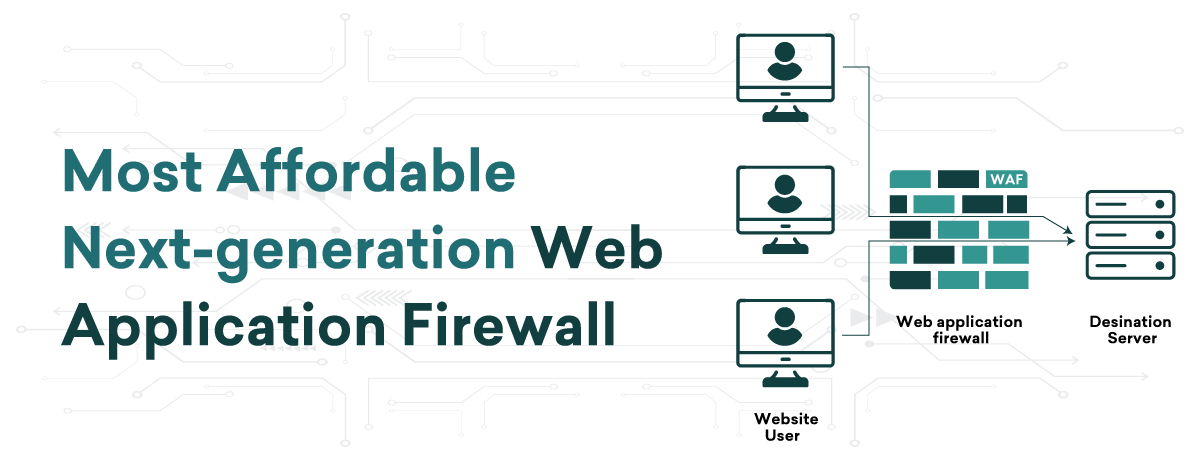
    Web security is now essential in the increasingly digital world we live in. It is not a luxury. Cybercriminals constantly target web applications, posing a threat to businesses of all kinds. A strong security solution is necessary to reduce these threats, and one of the best tools for the job is the Next-Generation Web Application Firewall (WAF). Its sophisticated protective features make it unique, but many businesses are now selling similar firewalls for a reasonable price, opening it up to a larger market. With its cutting-edge security capabilities and cost combination, the next-generation WAF is an essential tool for companies looking to protect their digital assets without going over budget.

    What Is a Next-Generation Web Application Firewall?

    A Next-Generation Web Application Firewall is an enhanced version of traditional WAFs, designed to provide more comprehensive and sophisticated protection against modern cyber threats. Traditional WAFs typically focus on basic filtering, monitoring, and blocking of HTTP requests based on predefined rules. While effective to a certain extent, they cannot adapt to more complex and evolving security threats.

    The next-gen WAF is built to handle modern-day attacks, including Zero-Day threats, botnet attacks, and advanced persistent threats (APTs). These firewalls use cutting-edge technology such as machine learning (ML), behavioral analytics, and threat intelligence to proactively defend web applications. Their ability to detect, respond to, and even predict threats offers a significant improvement over legacy firewalls, providing businesses with much-needed security in today’s cyber landscape.

    Key Features of Next-Generation WAFs

    Machine Learning and AI-Powered Analytics
    One of the standout features of the next-gen Web Application Firewall is the integration of machine learning and artificial intelligence. These technologies enable the firewall to learn from patterns, predict emerging threats, and offer real-time response capabilities. Instead of relying solely on predefined rules, AI-based WAFs continuously evolve based on the behavior of traffic across multiple web applications, ensuring that the firewall stays updated with the latest threat vectors.

    Real-Time Threat Detection
    Next-gen WAFs are designed to detect and respond to cyber threats in real time. Unlike traditional WAFs that require manual updates for new rules and patterns, these modern firewalls utilize threat intelligence from various sources to immediately recognize new and evolving attacks. This capability significantly reduces the time window during which an attacker can exploit a vulnerability.

    Bot Protection
    A growing number of attacks come from automated bots, whether they are trying to brute force login credentials or scrape sensitive data. Next-gen WAFs provide bot management that detects and blocks malicious bots while allowing legitimate traffic from good bots, such as search engine crawlers.

    Comprehensive Application Layer Security
    The application layer is often where attackers target vulnerabilities, making it crucial for firewalls to protect this layer. Next-gen Web Application Firewall offers Layer 7 security, ensuring the protection of web applications, APIs, and microservices against SQL injections, cross-site scripting (XSS), and other application-layer attacks.

    Cloud Integration and Scalability
    Modern businesses often have web applications spread across different environments, including cloud infrastructures. Next-gen WAFs are designed to integrate seamlessly with cloud services, allowing businesses to deploy scalable security solutions across multi-cloud and hybrid environments without any performance degradation.

    Customizable Security Policies
    Businesses need flexible security policies tailored to their unique needs. Next-gen Web Application Firewall provides highly customizable settings, allowing administrators to define specific rules, create white and black lists, and fine-tune their firewalls to meet the demands of different applications and traffic flows.

    Benefits of Affordable Next-Generation Web Application Firewall

    Cost-Effective Protection
    Traditionally, advanced security solutions were cost-prohibitive for small and medium-sized businesses (SMBs). However, with the rise of affordable next-gen WAFs, companies can now access top-tier protection at a fraction of the cost. These firewalls offer subscription-based pricing models, meaning companies can avoid large upfront costs and only pay for the services they need.

    Proactive Threat Management
    One of the primary advantages of a next-gen Web Application Firewall is its proactive nature. Traditional firewalls are reactive, meaning they often only block known threats based on signature patterns. The next-gen WAF takes a step further by using behavioral analysis and threat intelligence to proactively detect and mitigate risks before they become full-blown attacks.

    Enhanced Performance
    Despite being more affordable, these Web Application Firewalls do not compromise on performance. With features like load balancing, caching, and minimization of latency, affordable next-gen WAFs ensure that the web application’s speed and performance are not affected, providing a seamless user experience while maintaining security.

    Reduced Complexity and Easy Deployment
    Affordable next-gen Web Application Firewall is designed for ease of use. They can be deployed quickly across a variety of environments, including on-premises, cloud, and hybrid infrastructures. With automated configurations and intuitive dashboards, even businesses with limited IT resources can manage and monitor their security systems with ease.

    Compliance and Reporting
    Cybersecurity regulations like GDPR, HIPAA, and PCI-DSS demand that businesses secure their data and demonstrate compliance. Next-gen Web Application Firewall provides detailed reporting, logs, and auditing features that help businesses stay compliant with industry regulations while ensuring their customers’ data is safe.

    Conclusion

    The most affordable Next-Generation Web Application Firewall is revolutionizing web security by providing cutting-edge features at a price point accessible to businesses of all sizes. With a combination of AI-driven threat detection, real-time monitoring, bot protection, and customizable security policies, these firewalls offer robust protection without compromising performance. As cyber threats continue to evolve, adopting an affordable next-gen WAF is an investment in the longevity and security of your web applications.
  • Full Root Access in Linux VPS Hosting | What Can You Do?

    Full Root Access in Linux VPS Hosting | What Can You Do?

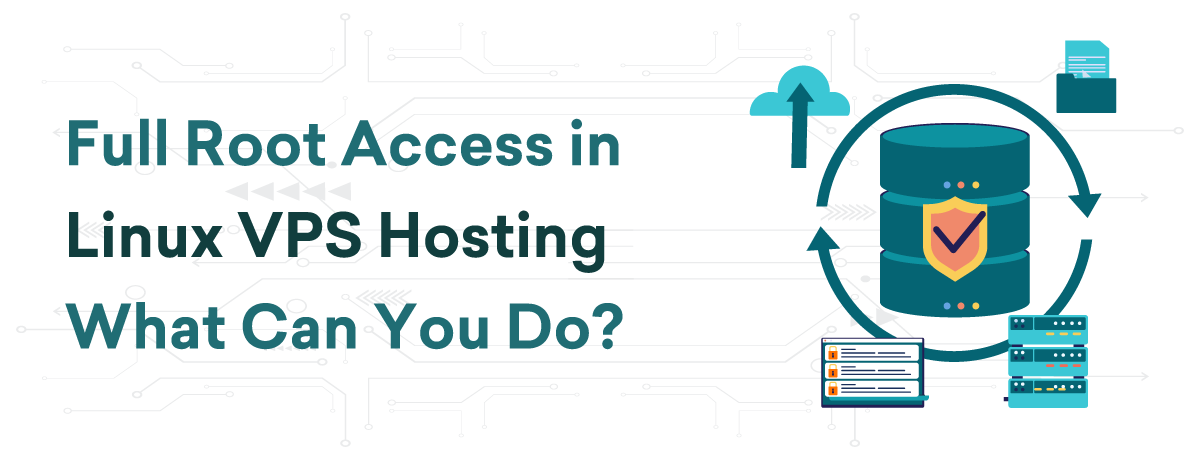
    Linux VPS Hosting is a popular choice for those needing more control, flexibility, and power than shared hosting but don’t need a full dedicated server. One key feature that sets VPS hosting apart is full root access. If you are unfamiliar with this term, don’t worry! This article will explain exactly what full root access in Linux VPS Hosting is and what you can do with it.

    What is Full Root Access in Linux VPS Hosting?

    In simple terms, full root access means you have complete control over your VPS. The term “root” refers to the highest level of access in a Linux-based server system. Having root access means you can control every aspect of your server environment, just like an administrator on a Windows system.

    When you purchase a Linux VPS Hosting, it operates as a separate, private environment even though the physical server may host other VPS clients. You get a certain amount of resources (like CPU, RAM, and storage) dedicated just to your Linux VPS Hosting. With full root access, you can log in to your VPS and manage it as if it were your dedicated server.

    In Linux VPS Hosting, the server provider typically takes care of hardware maintenance, but full root access allows you to manage the software side completely. This is different from shared hosting, where your access is more limited because multiple users share the same resources and server environment.

    What Can You Do with Full Root Access?

    Now that you know what full root access is, let’s explore some of the things you can do with this level of control.

    Install Any Software:

    One of the biggest advantages of having full root access is that you can install any software you want. Whether it’s a web server like Apache, a database system like MySQL, or a specific programming language or framework like Python or Ruby on Rails, the choice is yours. In shared hosting, you are limited to the software provided by the hosting company, but with root access, there are no such restrictions.

    Customize Server Settings:

    With full root access, you can fine-tune your server settings to match the needs of your website or application. You can configure your firewall, optimize your database, or adjust the server’s performance settings to handle more traffic. This flexibility allows you to optimize your server for the specific needs of your project.

    Improve Security:

    Full root access also gives you the power to improve your server’s security. You can install custom security software, configure firewalls, and set up intrusion detection systems. Additionally, you can control who has access to your server, create new user accounts, and manage permissions. This is especially important for businesses that deal with sensitive data or require enhanced security measures.

    Access Server Logs:

    Server logs are important for diagnosing issues and monitoring your server’s performance. With root access, you can view these logs and troubleshoot any issues that arise. For example, if your website is loading slowly, you can check the server logs to see if there are any errors or problems that might be affecting performance. This level of transparency is crucial for maintaining a healthy server.

    Automate Tasks:

    With full root access, you can create custom scripts to automate tasks on your Linux VPS Hosting. For example, you can write scripts to back up your data at regular intervals, automatically restart services if they crash, or send alerts if certain conditions are met (like low disk space). Automation helps save time and ensures that your server continues to run smoothly.

    Host Multiple Websites or Applications:

    Another benefit of having full root access is the ability to host multiple websites or applications on the same Linux VPS Hosting. You can set up virtual hosts to run different websites, each with its domain name and settings. This is useful for developers or businesses that manage multiple projects.

    Run Advanced Configurations:

    If you have a complex application that requires special configurations, full root access allows you to modify system files and settings to support these advanced needs. This might include setting up a custom server stack, running multiple versions of a software package, or tweaking performance for specific applications.

    Conclusion

    Full root access in Linux VPS Hosting gives you complete control over your server. The possibilities are vast, from installing custom software and managing security settings to automating tasks and hosting multiple websites. If you have the technical knowledge or are working with a developer, full root access can help you unlock the full potential of your Linux VPS Hosting and tailor it to your specific needs. However, with great power comes great responsibility, so always be careful when changing your server to avoid any unintended problems.

  • Hosting a Website Using Google Workspace | Guide & Benefits

    Hosting a Website Using Google Workspace | Guide & Benefits

    For anyone wishing to have an online presence, hosting a website is an essential first step. The development of integrated platforms and cloud services has made website hosting more effective and simpler. Google Workspace is one of the best options available for managing and hosting websites. Google Workspace, formerly known as G Suite, is a collection of cloud-based applications intended to improve collaboration, productivity, and now even site hosting. We’ll look at the advantages of utilizing Google Workspace for website hosting in this guide.

    Step-by-Step Guide to Hosting a Website with Google Workspace

    Register a Domain Name

    To host a website, you must first obtain a domain name. This is the URL address of your website, example: yourbusiness.com. Google Domains is a service that enables domain name registration, management, and search. Transferring an existing domain to Google Domains is a simple process.

    Set Up Google Workspace

    Setting up Google Workspace is the next step after registering your domain. Numerous tools are available on this platform, such as Gmail, Google Drive, Google Calendar, and Google Sites, all of which are connected and made to function well with one another. It is simple to set up Google Workspace:

    • Go to the Google Workspace website.
    • Choose a plan that fits your needs. Google offers several plans depending on the size and requirements of your organisation.
    • Follow the prompts to create your account, verify your domain, and set up users.

    Build Your Website Using Google Sites

    Google Workspace has a website builder called Google Sites. Without knowing any code, users may construct straightforward websites that appear professional. This is how to begin:

    • Open Google Sites from your Google Workspace dashboard.
    • Choose a template that suits your website’s purpose. Google Sites offers various templates for businesses, portfolios, projects, and more.
    • Customize your site by adding text, images, videos, and other content. Google Sites integrates with other Google services, so you can easily insert documents from Google Drive, forms, and maps.
    • Once you’re satisfied with your site, click on the “Publish” button. You’ll be asked to choose a web address, which will use the domain you registered earlier.

    Configure DNS Settings

    You must set up your DNS (Domain Name System) settings in order to make sure that your website can be accessed using your domain. This step is made easier if you registered your name using Google Domains because it integrates with Google Workspace directly. The Google Domains dashboard displays:

    • Navigate to the DNS settings.
    • Point your domain to Google Sites by adding the appropriate CNAME and A records.
    • Save the changes and wait for the DNS propagation to complete, which can take up to 48 hours.

    Manage and Optimize Your Website

    Google Workspace provides a range of tools for managing and optimizing your website once it goes live. Track visitor activity with Google Analytics to learn more about the functionality and performance of your website. You can keep an eye on and manage your website’s visibility in Google Search results with the aid of Google Search Console. The integrated tools in Google Workspace, such Google Drive, let you effectively manage the content of your website.

    Benefits of Hosting a Website with Google Workspace

    Seamless Integration

    The smooth integration of Google Workspace with other Google technologies is one of the main advantages of using it to host a website. Everything integrates with ease, whether you’re using Gmail for business-related email correspondence, Google Calendar integration for scheduling, or Google Drive integration for file management on your website.

    Easy to Use

    Google Workspace is made with the user’s experience in mind. Google Sites is especiallyr-friendespecially friendlybles anyone to construct and publish websites without the need for technical knowledge. The pre-built templates and drag-and-drop interface facilitate websites’ rapid and simple development.

    Enhanced Collaboration

    Google Workspace offers strong teamwork features for companies or groups. The website allows multiple people to work on it at once, which makes it perfect for projects that need input from different team members. One notable feature is real-time cooperation, which guarantees that everyone is in agreement.

    Security

    Google is well known for having strong security measures. You can take advantage of cutting-edge security features like data encryption, two-factor authentication, and automated backups when you host your website on Google Workspace. The security settings of Google Workspace are scalable, giving administrators authority over user access and permissions.

    Cost-Effective

    Because Google Workspace has a variety of price options, both small and large firms can use it. When compared to buying these services separately, the option to combine web hosting with other productivity tools offers exceptional value for the money.

    Reliability

    You can count on unmatched dependability when your website is powered by Google’s infrastructure. Because Google’s servers are renowned for their speed and uptime, users can always access your website. The Google Workspace suite, which provides consistent performance across all of its tools, is also dependable.


    Conclusion

    In Conclusion, Using Google Workspace for website hosting is a simple process that has many advantages. For companies and people seeking to build a strong online presence, Google Workspace is a great option because of its cost-effectiveness, solid security, and easy integration.

  • Account Migration | A Game Changer for Website Hosting Owner

    Account Migration | A Game Changer for Website Hosting Owner

    In the rapidly changing realm of digital technology, websites are now necessary for companies of all kinds. Reliable web hosting is essential to the success of any online presence, be it a personal blog, an e-commerce site, or a corporate website. What occurs, though, if your present hosting company is unable to satisfy your requirements? Maybe there are issues with scalability, security, or technical support, or the server speed is just too slow. Transferring your website from one hosting company to another, or account migration, can offer a smooth resolution. This blog post will discuss account migration, its advantages, and how to make sure the process goes without a hitch for website owners.

    What is Account Migration in Web Hosting?

    Account migration in web hosting refers to the process of transferring your website, including files, databases, emails, and settings, from one hosting provider to another. This migration could involve moving between shared hosting services, VPS (Virtual Private Server) hosting, cloud hosting, or even from a traditional server to a cloud-based platform. The goal is to ensure that your website remains fully functional during and after the migration, with minimal downtime and no data loss.

    Why Website Owners Consider Account Migration

    Several reasons might prompt a website owner to migrate their website to a new hosting provider. These include:

    Improved Website Performance

    A slow-loading website can severely impact user experience and even lead to reduced search engine rankings. If your current hosting provider is unable to deliver fast page load speeds, migrating to a new host with better server performance can significantly improve the overall performance of your website.

    Scalability Needs

    As businesses grow, so do the demands on their websites. If your hosting provider cannot accommodate the increasing traffic, storage, and bandwidth needs, account migration to a more scalable hosting solution can help manage your website’s growth. Migrating to a cloud or dedicated server hosting plan provides the flexibility to scale as your business grows.

    Better Security Features

    Web security is paramount for website owners, especially those running e-commerce or business websites where sensitive customer data is involved. If your current hosting provider doesn’t offer robust security features such as SSL certificates, DDoS protection, or malware scans, migrating to a more secure host can protect your website from cyber threats.

    Cost Savings

    Some hosting providers may offer better pricing structures, especially if you’re switching from shared hosting to a more economical VPS or cloud hosting plan. Additionally, newer hosts may have more favorable pricing for services such as automatic backups, SSL certificates, and enhanced security features, all of which can save website owners money in the long term.

    Superior Customer Support

    If your current web hosting provider lacks responsive and knowledgeable customer support, it might be time to migrate to a new host. Having 24/7 access to reliable technical support can make a big difference, especially when troubleshooting server issues or managing downtime.

    The Benefits of Account Migration for Website Owners

    Migrating your website to a new hosting provider can offer multiple benefits that can enhance the overall website experience and business efficiency. Let’s break down the key advantages:

    Enhanced Website Performance

    One of the main reasons website owners migrate is to achieve better website speed and performance. Migrating to a host that uses modern technology, including SSD storage and optimized servers, can significantly reduce page load times. Faster websites lead to better user experiences, higher conversion rates, and improved SEO rankings.

    Increased Uptime Reliability

    Website downtime can lead to lost revenue, decreased user trust, and poor search engine rankings. Account migration to a reliable host with guaranteed uptime can help you avoid these issues. Many hosting providers now offer uptime guarantees of 99.9% or higher, ensuring that your website remains available and accessible to visitors at all times.

    Improved Security

    Security should be a top concern for any website owner, especially for those handling sensitive data. Migrating to a host with enhanced security features such as automatic backups, firewall protection, and real-time monitoring can reduce the risk of cyberattacks and data breaches. Additionally, some providers offer specialized security packages tailored to specific industries, adding an extra layer of protection.

    Flexibility and Customization

    Some hosting providers offer more flexibility in terms of customization and control over server settings, which can be particularly beneficial for businesses with specific technical requirements. By migrating to a host that allows greater control over server configurations, website owners can optimize their sites for better performance, stability, and security.

    Seamless Transition with Minimal Downtime

    Professional hosting providers offer migration services that ensure minimal downtime during the account migration process. With careful planning and execution, your website can remain accessible to users while the migration is taking place. This prevents potential revenue loss and disruption to the user experience.

    How to Ensure a Smooth Account Migration

    Account migration can be a complex process, but with the right approach, you can minimize risks and ensure a seamless transition. Here are some tips to help you through the process:

    Backup Your Website

    Before beginning the migration process, make sure to back up all your website files, databases, and email accounts. This will prevent data loss if something goes wrong during the migration.

    Choose the Right Hosting Provider

    Ensure that your new hosting provider offers the features and services that meet your website’s needs, including performance, security, and customer support. Research hosting providers carefully, and read reviews to avoid any unpleasant surprises after the migration.

    Check for Compatibility

    Make sure that your website is compatible with the new hosting environment. For instance, verify that the new host supports these technologies if your website relies on certain software or scripts.

    Plan for DNS Propagation

    When migrating your website, there is often a brief period when DNS propagation occurs, which can result in temporary downtime. Coordinate with your new hosting provider to manage this transition efficiently.

    Test Everything

    After the migration, thoroughly test your website to ensure everything is working as expected. This includes testing all functionalities, such as forms, databases, and email accounts.


    Conclusion

    Account migration can be a game-changer for website owners looking to improve performance, security, scalability, and customer support. By planning and executing the migration process carefully, you can enjoy a host of benefits, ensuring your website remains reliable, secure, and efficient as it grows.

  • Choosing Affordable Web Hosting Locations for Global Success

    Choosing Affordable Web Hosting Locations for Global Success

    Choosing the right web hosting server location is crucial for your website’s performance and user experience. When you opt for an affordable web hosting service, it’s important to consider where the server is located because it can directly impact your website’s speed, accessibility, and even search engine rankings. This guide will help you understand why server location matters and how choosing the right one can benefit your website.

    Why Server Location Matters

    Speed and Performance: The closer the server is to your website visitors, the faster your website will load for them. This is because data has to travel a shorter distance from the server to the user’s device. For example, if your website targets an audience in Europe, choosing a European server can significantly improve the loading speed for European users.

    SEO Benefits: Search engines like Google consider website speed as a ranking factor. If your website loads quickly because it’s hosted on a server close to your target audience, it can help improve your search engine rankings. This can lead to more visibility and, ultimately, more traffic to your website.

    Legal and Compliance Issues: Different countries have different data storage and privacy laws. Affordable Web Hosting your website on a server in a country that complies with your local regulations can help you avoid legal issues. For instance, if you operate in the European Union, you can host your website on a server in the EU to comply with GDPR.

    How to Choose the Right Server Location

    Know Your Audience: The first step is to identify where most of your website visitors are located. Use tools like Google Analytics to find out where your traffic is coming from. Once you know your audience’s location, you can choose a server that is geographically close to them.

    Consider Latency: Latency refers to the delay that occurs when data travels from the server to the user’s device. The farther the data has to travel, the higher the latency. By choosing a server close to your audience, you can reduce latency, ensuring a smoother and faster user experience.

    Think About Scalability: As your website grows, you may attract visitors from different parts of the world. In such cases, consider affordable web hosting providers that offer Content Delivery Networks (CDNs). CDNs distribute copies of your website across multiple servers in different locations, ensuring fast loading times for users worldwide.

    Compare Prices: Affordable web hosting services can vary in price depending on the server location. For instance, servers in the United States or Europe might be more cost-effective compared to servers in regions with higher operational costs. However, don’t just choose the cheapest option. Consider the balance between cost and performance to ensure your website runs smoothly.

    How Server Location Helps Your Website

    Enhanced User Experience: A fast-loading website provides a better user experience. Visitors are more likely to stay longer and engage with your content if your website loads quickly. This can lead to higher conversion rates, whether it’s making a purchase, signing up for a newsletter, or any other action you want your visitors to take.

    Improved SEO Rankings: As mentioned earlier, faster websites tend to rank better on search engines. By choosing the right server location, you can boost your website’s speed, which in turn can improve your SEO rankings. This means more organic traffic and better visibility for your website.

    Better Accessibility: If your website is hosted on a server close to your target audience, it becomes more accessible. This is especially important for websites that rely on real-time data, such as online gaming or streaming services. Reduced latency ensures that users can access your content quickly and without interruptions.

    Compliance and Security: Affordable Web Hosting your website on a server that complies with local data protection laws ensures that your user’s data is secure and that your website adheres to legal requirements. This not only protects your business from potential fines but also builds trust with your users, knowing that their data is handled responsibly.


    Conclusion

    Choosing the right server location for your affordable web hosting is an essential part of building a successful website. It affects everything from speed and user experience to SEO and legal compliance. By understanding your audience and selecting a server location that best suits their needs, you can enhance your website’s performance and achieve your business goals without breaking the bank. Remember, affordable web hosting doesn’t mean compromising on quality; it means finding the best value for your specific needs.

  • The Indian Guide to Choosing Your Ideal Domain Name

    The Indian Guide to Choosing Your Ideal Domain Name

    It’s safe to say that choosing the right domain name is an important part of any new project. So how can you ensure you make the right choice? Tips that are specifically catered to Indian businesses and individuals in order to help you find a domain name that will improve your brand, drive traffic, and increase your bottom line. Your domain name is the key branding element for any business and, if chosen wisely, will stay with you for years, maybe even a lifetime.

    What Exactly is a Domain Name?

    Before going into the process of selecting an excellent domain, let us clarify what it is.

    Online addresses such as google.com and bytenap.in are domain names used to access company websites, news sources, and any other gems (or oddities!) the Internet may have.

    In technical terms, a domain name is a string of characters that, through a DNS service, computer systems connected to the Internet may translate into an electronic address known as an Internet Protocol, or IP, address.

    Through a domain name registration provider like Web Hosting India, available domain names can be registered for a cost each year and for a duration of one to ten years. Once registered, you can pay its renewal fee to keep your domain active indefinitely.

    Exploring the Parts of a Domain Name

    Domain Name: The special address, such as “example.in,” that distinguishes your website. It consists of an extension and a name.

    Name: The primary domain name portion, to the left of the dot, sometimes known as the second-level domain, or SLD. Get creative—you can register any name that is offered under a particular extension! It is not case-sensitive and is limited to letters, digits, and hyphens. It is limited to 253 characters (having one that lengthy would not be feasible!).

    Extension: The last part of a domain name, like.COM or.in, on the right. Another name for it is a top-level domain, or TLD. There are currently over a thousand TLDs accessible, some are limited based on a person’s occupation or place of residence, but the majority are public and open to anyone.

    Subdomain: Neither the domain name registration process nor your domain name include this. Don’t worry about this, from your webhosting account, you may establish as many subdomains as you like!

    You will be looking for a name and extension combination that isn’t already reserved by someone else when choosing a new domain name. Although you have a lot of creative freedom when choosing a name, the extensions that registries (the organizations that oversee domain extensions) offer will restrict your options.

    If it’s accessible, I could, for instance, register MyDomainSuperCool.in as my domain name, but no registry has generated the domain extension.I’m not allowed to have the domain name MyDomain, supercool.Super Chill

    After learning about the many components of a domain name, let’s move on to the important task of choosing the ideal name.

    Tips for Choosing a Great Domain Name

    1. Mention your brand

    Try to incorporate the name of your brand into your domain. It will maintain your domain’s clarity and simplicity while contributing to its memorability.

    For instance, even if hosting.com contains keywords, Webhosting.com is a more successful domain name for the webhosting brand than it is.

    1. Make it descriptive and intuitive

    Don’t leave guests in suspense! Make your domain name easier to type and reflect the core values of your company to increase its memorability. One way to achieve this is by using helpful keywords that people might use to look for websites similar to yours.

    Among the instances are:

    ToysForToddlers.in 

    LowCostAutoRepair.com 

    AffordableHomesInVadodara.in

    Here are a few helpful tools to find the most common keywords:

    Use Google Trends to find out what is popular and which keywords are trending in relation to it.

    Ubersuggest: Find out how many times a specific keyword is searched for each month along with some related suggestions.

    Although you might be tempted to stuff your domain with keywords, Google has significantly reduced the weight it gives to keywords in recent years. However, when used as anchor texts in links, keywords contained in domains still benefit SEO.

    1. Prioritize.in and.COM domains.

    When conducting business in India, Indian consumers respond more favorably to domains ending in.in.The most well-known and widely used option globally is COM. If possible, we highly advise you to try and obtain both of them.

    If the majority of your business is conducted in India, the.in domain extension might be a better option for you because it will instantly identify you as an Indian company, unlike an Indian rival who might be using a.COM domain.

    1. Don’t make it too short; just right.

    Long names are more likely to be misspelled and might be challenging to recall. For optimal results, try to select a domain with fewer than 20 characters. However, stay away from employing slang or abbreviations that could make your domain longer but more difficult to spell.

    For instance, even though PopularSci.in is shorter, PopularScience.in is a better option.

    Remember that finding the domain online will get more difficult the shorter the domain gets. In the most popular extensions, nearly every 3- and 4-letter domain variation is already taken, and 5-letter domains are also rather rare.

    1. Think about distinct domains for each language.

    Do you speak English with guests? If so, either register two domains, one in each language, or attempt to discover a domain that could be used in both languages (very difficult, in some situations).

    The Indian Bay corporation, the oldest corporation in India, divides its website into multiple languages under one domain, theindianbay.com (English).

    Additionally, keep in mind that Indian English spelling occasionally varies from that of American or British English. Make sure the terms you’ve selected are appropriate for the market you want to target, and think about registering every possible spelling variation for your domain.

    1. Use Domain Extensions Creatively

    Use your imagination with any of the hundreds of new domain extensions that are now accessible if your domain isn’t available with.in or.com or if you want to stand out with something distinctive. Go through our domain extension categories, like “Food and Drink” or “Services,” to find more alternatives that are tailored to your web project.

    Here are a few imaginative instances:

    MontrealModern.com/art

    I adore everyone.tech

    SurprisesIn.store

    Games ComePlayVideo.games IWroteA.blog

    When you search for domains other than the “traditional” extensions, you’ll see that the availability of domains increases significantly.

    1. Make Pronouncing It Simple

    Not only would an easily pronounceable domain be easier to give verbally in person or over the phone, but it will also be more remembered and positively associated with your brand. People should be able to grasp your domain without you having to spell it.

    It is best to avoid using slang, hyphens, or digits as these can cause misunderstandings when spoken. For example, would you automatically think of “get-more4less.in” if someone told you that there were amazing offers at “get more for less dot in”? Most likely not.

    Consider registering both the word and numerical versions of your domain, such as TopTenLists.in and Top10Lists.in, if you do choose to utilize numbers.

    1. Fashion It for Local Search

    If you’re targeting a specific area (which you almost always should be!), adding in the city, region or province will help people know right away what area you serve and could increase relevance.

    Examples include:

    VadodaraPlumber.in

    HockeyFans.bombay

    1. Avoid Trademarks

    There’s a chance that your domain name violates the trademark of another company. You may still be sued for using the domain name by another company even after you’ve registered it. This can result in expensive legal disputes or force you to give up your domain name and go through the entire process again.

    Generally speaking, avoid using another company’s trademark in your domain name or causing any misunderstanding with another company’s brand (including by using misspellings or typos). If you’re looking for registered trademarks, you may also check the Indian Trademark Database.

    1. Protect Your Brand and your Visitors

    After deciding on your main domain name, you should think about securing it by registering any related secondary domains. These are referred to be defensive registrations, and they shield you from possible issues like rivals or, worse, hackers, taking advantage of your success and possibly siphoning off some of the traffic to your website.

    Many forms exist for defensive registrations, however the following are the most typical:

    widely used extensions. If it’s feasible, think about registering your domain with each of the following “classic” extensions:.IN,.COM,.NET,.ORG, and.CO.

    typos. Even among those who can spell correctly, errors inevitably occur. Examine the most frequently misspelled words and think about registering well-liked variations.

    Options. If you registered a name like EnJoysOrganicFoods.com, you might want to think about registering versions like EnJoyOrganicFood.com or EnjoyOrganicFoods.com Bilingual, as plurals and possessives can be confusing. It’s a wise idea to register your domain in French even if your website is just in English since you could ultimately wish to expand into the French Canadian market.

    Bear in mind that defense registration charges may mount up quickly, with an average price tag domain each year. Your risk tolerance, the amount of money your website is bringing in, and the value of the brand you are employing will all influence how much you should spend on it.

    1. Make Use of a Powerful Domain Spinner

    It doesn’t follow that someone hasn’t already registered a particular domain name just because it doesn’t have an active website. Because it offers domain recommendations and alternatives, a provider’s domain availability search tool—often referred to as a domain spinner—is the most accurate approach to find out if the domain is actually available for registration.

    A competent domain spinner ought to:

    Give quick access to the domain you looked for.

    Look up several extensions for your domain and make recommendations.

    Make it simple and quick for anyone to register one or many domains.

    Reduce pointless distractions, like service upsells.

    The Indian domain search tool assists you in locating the ideal domains for your requirements by offering quick results and searches through the most popular extensions.

    Conclusion

    Selecting the fastest WordPress hosting is critical for optimizing user experience, improving SEO rankings, and ensuring scalability. Cloudways emerges as a top choice, providing cloud-based solutions that prioritize speed, reliability, and security. By focusing on key performance factors and using tools like Pingdom, GTmetrix, and Google PageSpeed Insights, you can ensure your WordPress site operates efficiently, meeting both user expectations and search engine requirements.

  • Advantages of Building a WordPress Website for a Business

    Advantages of Building a WordPress Website for a Business

    Ease of Use

    Due to its well-known user-friendly interface, WordPress is accessible to users without any technical background. Without knowing how to code, users may add plugins, install themes, and manage content with ease because of its user-friendly dashboard. Businesses can then concentrate on their core competencies as website maintenance becomes simpler and less time-consuming.

    Customization and Flexibility

    With WordPress’ wide selection of themes and plugins, companies can tailor their websites to match unique demands and branding specifications. With WordPress’s versatility, your website may expand with your business, be it for e-commerce, blogging, or portfolio purposes. Its flexibility to be customised guarantees that your website will be able to stand out in a crowded market.

    SEO-Friendly

    Optimising your website for search engines is essential for increasing website traffic. WordPress makes it simpler for your website to rank better in search engine results by keeping SEO best practices in mind during the design process. Yoast SEO and other plugins improve your ability to optimise keywords, meta tags, and content even more. Better visibility, more traffic, and improved conversion rates are what this implies for businesses.

    Security

    WordPress is safe by itself, but managed WordPress hosting raises the bar for security. Strong security features, like automated upgrades, malware scanning, and regular backups, are provided by managed hosting companies to guarantee that your website is safe from attacks. The assurance that their website and client data are secure is priceless for organisations.

    Speed and Performance

    User experience and SEO are heavily reliant on the performance and speed of websites. Fast loading speeds and excellent performance are guaranteed by managed WordPress hosting companies that properly tune their servers for WordPress Website. Caching techniques and content delivery networks (CDNs) are two further features that increase speed. This translates for businesses into higher search engine rankings and increased user happiness.

    Expert Support

    Having access to knowledgeable support is one of the most notable advantages of managed WordPress hosting. These hosting companies provide WordPress support specifically, so any problems may be promptly fixed by experienced experts. This helps organisations maintain the functionality and efficacy of their websites by reducing downtime and speeding up problem resolution.

    Automatic Updates and Backups

    In order to guarantee that your website is always running the newest, most secure versions, managed WordPress hosting providers frequently include automatic upgrades for both WordPress core and plugins. They also offer frequent backups that are simple to restore in the event of a problem. By lowering the chance of vulnerabilities and data loss, this automated maintenance frees up more time for companies to concentrate on expansion and client interaction.

    Scalability

    Your website must be able to manage higher traffic and more sophisticated features as your business expands. Scalable WordPress hosting offers options that expand with your company. These hosting services can scale resources to match your demands without sacrificing performance, regardless of whether your traffic increases gradually over time or in an abrupt manner.


    Conclusion

    Using managed WordPress hosting to build a WordPress website for your company has several benefits that can greatly improve your online visibility. Any company hoping to thrive in the digital sphere can build a strong foundation with this mix of improved security, speed, ease of use and customization, and professional assistance. Businesses can guarantee that their websites are not only aesthetically pleasing and useful but also safe, dependable, and expandable by taking advantage of these advantages, which will set them up for long-term success and growth.

  • AI-Powered Affordable Web Hosting for Business Growth

    AI-Powered Affordable Web Hosting for Business Growth

    In today’s digital age, having a strong online presence is essential for any business to succeed. A key part of this is choosing the right web hosting service. Affordable Web hosting is like renting space on the internet where your website lives, and just like in real life, the location and quality of that space can make a big difference. Affordable Web Hosting services are great for businesses on a budget, but what if you could get even more value? This is where Artificial Intelligence (AI) steps in, making web hosting not only more affordable but also smarter and more efficient.

    Improved Website Performance

    AI helps improve your website’s performance by automatically optimizing various aspects. For instance, AI can analyze traffic patterns and predict high traffic times. During these peak periods, AI can allocate more resources to your website, ensuring it runs smoothly without any slowdowns or crashes. This means your customers have a better experience, leading to more sales and better customer satisfaction. Additionally, AI can compress images and optimize code on your website to make it load faster, which is crucial because a fast-loading site keeps visitors engaged and reduces bounce rates.

    Enhanced Security

    Security is a top concern for any business, especially when it comes to affordable web hosting. AI helps in protecting your website from cyber threats by constantly monitoring for any suspicious activity. If AI detects something unusual, like a hacking attempt, it can take immediate action to protect your site. This includes blocking malicious IP addresses, identifying potential vulnerabilities, and even predicting future threats based on patterns. This proactive approach helps keep your website safe, which is essential for maintaining customer trust and safeguarding your business’s reputation.

    Efficient Resource Management

    With AI, affordable web hosting becomes more efficient in terms of resource management. AI can monitor your website’s performance and adjust resources like bandwidth and storage based on real-time needs. For example, if your website suddenly experiences a spike in traffic due to a sale or promotion, AI can automatically allocate additional bandwidth to handle the extra visitors. This not only ensures your website remains fast and responsive but also helps in reducing costs since you only pay for the resources you use.

    24/7 Customer Support

    AI-powered chatbots provide round-the-clock customer support for your affordable web hosting service. These chatbots can answer common questions, troubleshoot issues, and even guide users through complex tasks. This means that even if you face a problem at odd hours, AI is there to help, ensuring that your website remains up and running. The quick and efficient support provided by AI reduces downtime, which is crucial for any online business.

    Automated Backups and Updates

    Regular backups and software updates are vital for the health of your website. AI takes the hassle out of this by automating the process. AI can schedule regular backups and store them securely, so you always have a copy of your website’s data in case something goes wrong. Similarly, AI can handle software updates, ensuring your website is always running on the latest and most secure version. This reduces the risk of bugs and security vulnerabilities, giving you peace of mind.

    Cost-Effective Solutions

    One of the biggest advantages of AI in affordable web hosting is cost-effectiveness. AI automates many tasks that would otherwise require manual intervention, reducing the need for a large IT team. This means lower operational costs, which translate into more affordable hosting packages for businesses. Furthermore, AI’s ability to optimize resources means you’re not overpaying for unused capacity, making affordable web hosting more economical.


    Conclusion

    AI is transforming affordable web hosting services by making them smarter, more efficient, and more secure. By leveraging AI, businesses can ensure their websites perform at their best, providing a seamless experience for visitors while keeping costs down. As AI technology continues to evolve, we can expect even more innovative solutions that will further enhance the value of web hosting services, helping businesses of all sizes to grow and thrive in the digital world.

  • MySQL Database Solution with Excellent Web Hosting

    MySQL Database Solution with Excellent Web Hosting

    Web hosting is the foundation for any online presence, whether it’s a simple blog, an e-commerce site, or a complex web application. As businesses grow and their needs become more sophisticated, the demand for robust database solutions also increases. MySQL, an open-source relational database management system, is a popular choice for many web hosting environments due to its reliability, scalability, and ease of use. For those looking to support unlimited MySQL Database on their hosting accounts, there are several considerations and best practices to ensure optimal performance and management.

    Choose the Right Hosting Plan

    Selecting a web hosting service that allows for endless MySQL databases is the first step towards supporting them. While some hosting providers offer infinite databases, others impose restrictions on users according to the amount of CPU, RAM, and storage they utilize. In this regard, shared hosting plans are typically less versatile than dedicated servers, cloud hosting, and VPS (Virtual Private Server) hosting.

    It’s crucial to consider all of the resources accessible while selecting a plan. A hosting service may promise infinite databases, but for a database to operate effectively, it needs a specific number of server resources. Should the hosting plan be insufficient in terms of CPU power, memory, or storage, your databases’ performance may need to improve.

    Optimize Database Performance

    Performance optimization must be carefully considered while supporting an infinite number of MySQL databases. Here are some helpful strategies:

    Indexing: Correct table indexing can greatly expedite the retrieval of data. You can make sure that your databases function well even when they are under a lot of stress by cutting down on the time it takes to find data.

    Query Optimization: Write SQL queries that are optimized to cut down on pointless computations. This may entail making the most use of joins, eliminating subqueries whenever feasible, and making sure your queries are as simple as possible.

    Connection Management: To cut down on the overhead of creating new database connections, use persistent connections. But be aware of any connection restrictions imposed by your hosting company.

    Caching: Put caching techniques in place to lighten the strain on your MySQL databases. Database queries can be reduced and speed can be improved by keeping frequently requested data in memory.

    Regular Maintenance: To quickly detect and fix performance issues, carry out routine maintenance operations including clearing out unnecessary data, optimizing tables, and keeping an eye on database logs.

    Scalable Storage Solutions

    As the number of databases grows, so does the need for scalable storage solutions. Ensure that your hosting plan offers expandable storage or consider integrating cloud storage solutions like Amazon S3 or Google Cloud Storage to offload some of the data. Utilizing scalable storage ensures that your databases can grow without being constrained by physical disk space limitations.

    Security Best Practices

    The complexity of data security grows while managing several MySQL databases. The following are some crucial security procedures:

    User Privileges: Give each database’s users the proper permissions. Limit access using the least privilege approach and refrain from utilizing the root user for routine tasks.

    Regular Backups: To guarantee that all databases are routinely backed up, implement automated backup systems. For extra security, think about utilizing both off-site and on-site backups.

    Encryption: When sensitive data is in transit or at rest, encrypt it. MySQL offers built-in encryption features for storing data in your databases, and it supports SSL/TLS for secure data transfers.

    Monitoring and Alerts: Install monitoring software to monitor database activities. Alerts can be used to inform you of suspicious activities or possible security breaches.

    Efficient Database Management

    It can be difficult to manage a big number of MySQL databases. To make management more efficient:

    Database Naming Conventions: For ease of maintenance and to prevent confusion, give your databases distinct names.

    Automation Tools: For regular operations like backups, upgrades, and monitoring, use automation tools like scripts or database management software.

    Documentation: Keep detailed records of your user permissions, database setups, and maintenance plans. For troubleshooting and orienting new team members, this will be really helpful.


    Conclusion

    It is possible to support an infinite number of MySQL databases in a web hosting environment with the appropriate preparation, tools, and administration techniques. Through the selection of an appropriate hosting package, performance optimization, implementation of scalable storage, strong security, and effective database management, you can build a strong and adaptable infrastructure that can handle the demands of your expanding online business. These best practices can help you get the most of your MySQL databases and make sure they run effectively at scale, regardless of the size of your company.