Tag: server

  • Powerful Web Server Examples for Scalable Applications

    Powerful Web Server Examples for Scalable Applications

    What if you create a website or web application and it suddenly gets hundreds, thousands or even millions of visitors? At first, all was well. Pages load fast, users get to the content without delay and your business runs smoothly. But with more traffic the problems start to surface. Pages load slower, users see errors, and sometimes the website crashes completely.

    This is a challenge many businesses encounter when they scale. Most of the time, the solution comes down to one important piece: the web server.

    The foundation of every website and web application is a web server. It handles user requests, delivers content, manages resources, and keeps the whole system running smoothly. The right web server can make the difference between a fast, reliable application and one that falls apart under pressure.

    In this guide, we will explore powerful web server examples for scalable applications, explain how they work, compare their strengths and help you understand which option may be best for your business. Whether you are a beginner, developer, business owner, or IT professional, this article will give you practical insights into modern web server technology.

    What is Web Server?

    A web server is a piece of software or hardware that accepts requests from users through a web browser and then returns the requested web pages, files, images, videos, or application data.

    When you visit a website, your browser makes a request to a web server. The server receives the request , processes it , and responds with the information needed to display the website .

    Simple Web Server with Example

    Say you go to an online clothing store.

    1. You enter the website URL into your browser.
    2. Your web browser makes a request to the server.
    3. The request arrives at the web server.
    4. It finds the product details and the needed webpage.
    5. The data is sent back to your browser.
    6. Your screen displays the web page.

    Without a web server, websites wouldn’t function.

    Why Web Servers are Important for Scalable Apps

    The applications of today have to deal with growing traffic, and still be fast and reliable.

    For instance:

    • E-commerce stores can experience traffic spikes during sales.
    • Thousands of active users often use SaaS platforms at the same time.
    • Streaming services need to deliver content without interruption.
    • Online learning platforms also need to operate well during peak hours.

    As applications expand, their servers must be capable of handling greater requests efficiently. Scalability is one of the most important factors when choosing a web server.

    Advantages of a Scalable Web Server

    • Load faster
    • Enhanced user experience
    • Enhanced SEO performance
    • Increased conversion rates
    • Less downtime
    • Support for future growth

    Scalability in Web Servers Explained

    Scalability is the capacity of a server to handle increased workloads without a drop in performance.

    Two kinds of common scalability are:

    Vertical Scaling

    This includes upgrading resources on servers including:

    • Processor 
    • RAM 
    • Disk

    For example, scaling from an 8 GB server to a 32 GB server.

    Horizontal scalability

    That means adding more servers to distribute the traffic.

    Take for example:

    You can have ten servers behind a load balancer instead of one server.

    Horizontal scaling is a common approach for large applications such as social media platforms or online marketplaces.

    Robust Web Server Examples for Scalable Applications

    Let’s take a look at some of the most popular and reliable web server examples used around the world.

    1. Nginx

    Nginx (pronounced “Engine-X”) is one of the most popular web servers in use today.

    It is well known for handling a lot of concurrent connections with very low resource consumption 

    Why companies use NGINX

    • High efficiency
    • Great scalability
    • Reverse proxy features
    • Load balancing inbuilt
    • Optimised use of resources

    Real World Example

    Imagine a fast-growing e-commerce site with thousands of visitors per minute.

    Nginx acts as a reverse proxy and distributes traffic efficiently, rather than processing each request directly from the application server.

    This helps keep the speed and reliability of the service up, even during peak shopping times.

    Best For 

    • SaaS Apps 
    • E-commerce 
    • Websites
    • High-traffic blogs Applications powered by an API

    2. Apache HTTP Serve

    Apache remains the most trusted web server in the business.

    It’s been powering websites for years and remains popular due to its flexibility and the huge community that supports it.

    Key Feature

    • Open source
    • Very customisable
    • Compatible with several 
    • operating systems
    • Big module ecosystem

    Robust security controls

    Internet Server Example

    Apache is a classic example of internet server technology. Apache is used by millions of websites to serve content to users around the globe.

    Best For 

    • Corporate sites
    • WordPress websites Corporate portals
    • Pros of Educational Websites

    Easy setup

    • Thorough documentation
    • dependable performance”
    • Robust community backing

    3. LiteSpeed Web Server

    LiteSpeed is favoured by website owners looking for better performance without complicated server management.

    Now, LiteSpeed is available in many hosting companies as it can help boost your website speed significantly.

    Main Features

    • Built-in Cache
    • Supports HTTP/3
    • WordPress: Enhanced Performance
    • Lower server load
    • DDoS protection 

    Real World Scenario

    A business with WooCommerce stores is experiencing slow loading speeds during promotional campaigns.

    Switching to LiteSpeed from Apache has greatly improved page load speeds, leading to better user engagement and more sales.

    Best For 

    • WordPress Sites
    • WooCommerce shops
    • Shared hosting companies
    • High performance business websites

    4. Microsoft IIS (Internet Information Services)

    Internet Information Services (IIS) is Microsoft’s web server platform.

    It integrates well with Windows environments and enterprise applications.

    Key Features

    Best for 

    • Business applications
    • Corporate intranets
    • government systems

    Advantages of Microsoft-based software

    • Tightly integrated with Microsoft products
    • Strong authentication features
    • Dependable operation in enterprise environments

    5. Caddy

    Caddy is a modern web server with simplicity in mind.

    Caddy is different from other servers. It takes care of SSL for you, so you can secure your website easily.

    Main Features

    • HTTPS Automatically
    • Simple to set up
    • Reverse proxy support
    • Modernist architecture

    Best For 

    • Developers Startups
    • Small Business
    • Apps built in the cloud

    Why Developers Love It

    Caddy takes a lot of the hassle out of configuring servers so teams can ship applications faster.

    6. Node.js Application Server

    Node.js is a runtime environment, but it is technically used as a server platform in many modern applications.

    Why It’s Popular

    Node.js follows an event-driven architecture which can handle thousands of concurrent connections efficiently.

    Popular Use Cases

    • Chat apps
    • Tools for real-time collaboration
    • Streaming video services
    • Platform APIs

    Practical Illustration

    For example, a customer support platform with live chat can handle thousands of conversations at the same time using Node.js without any performance issues.

    Comparison of Popular Web Server Examples

    Web ServerPerformanceScalabilityEase of UseBest Use Case
    NginxExcellentExcellentModerateHigh-traffic applications
    ApacheGoodGoodEasyGeneral websites
    LiteSpeedExcellentExcellentEasyWordPress and eCommerce
    IISGoodGoodEasyWindows environments
    CaddyVery GoodGoodVery EasyStartups
    Node.jsExcellentExcellentModerateReal-time applications

    There are many factors that determine the right server

    1. Know Your Traffic Requirements

    Ask yourself,

    • How many visitors do you think?
    • Are traffic surges normal?
    • Is Your Business Going to Grow Fast?

    Nginx and Litespeed are often good choices for high traffic applications.

    2. Check Your Application Type

    Different applications have different needs.

    Sample:

    • WordPress Website → Apache LiteSpeed 
    • Corporate Website → Apache
    • ASP.NET Application → IIS 
    • Live Application → Node.js
    • SaaS Platform → Nginx

    3. Assess Security Features

    A good web server should provide support for:

    • Certificates SSL
    • Access control
    • Anti-DDoS
    • Authentication security

    Security becomes more important as your application grows.

    4. Verify Resource Efficiency

    An efficient server uses less resources and at the same time provides good performance.

    The advantages are

    • Lower hosting expenses
    • Quicker replies
    • Scalability

    5. Think Long Term

    Don’t choose a server based on what you need today.

    Consider:

    • Traffic growth in the future
    • Deployment in the Cloud
    • Load balancing
    • Containerisation

    A scalable solution saves time and money for the future.

    Best Practices for Scaling Web Apps

    Even the most robust web server can use good infrastructure practices.

    Use Load Balancers

    Load balancers spread traffic across multiple servers.

    Benefits are:

    • Better reliability
    • Performance enhancement
    • Less downtime

    Caching Enable

    Caching: Store frequently accessed data to reduce server workload

    Enhance Databases

    Many performance problems are caused by poorly optimised databases.

    Regular optimisation can make things faster and more scalable.

    Set up a CDN

    CDNs cache website assets closer to users. Content Delivery Networks

    Benefits include:

    • Loading time faster
    • Global better performance
    • Improved user experience

    Monitoring Server Performance

    Track:

    • CPU Utilisation
    • Memory used
    • Traffic on the network 
    • Error rate

    By monitoring continuously you can spot potential problems before they get out of hand.

    Why Businesses Need Scalable Web Servers

    A scalable web server is not just a technical requirement. It impacts business success directly.

    Improved Customer Experience

    Users want websites to load quickly. If a website is slow, customers will leave.

    Better Search Rankings

    Search engines consider website speed as an important ranking factor.

    Increased Revenue

    Faster websites often have better conversion rates.

    Less Downtime

    Reliable infrastructure guarantees business continuity.”

    Growth in the Future

    A scalable server lets businesses grow without rebuilding their infrastructure.

    FAQs

    What is a web server and example?

    A web server is a software that serves content of websites to users on the internet. Example of Nginx web server serving an online store .

    An example of an internet server is

    The most famous example would be Internet server technology . For example , Apache HTTP Server is used by millions of websites all around the world .

    What is the most suitable web server for large scale applications?

    Nginx is widely considered one of the best options for large-scale applications due to its performance and scalability.

    LiteSpeed vs Apache: Who wins?

    LiteSpeed has better performance and built-in caching features, which makes it a popular choice among high-performance websites.

    Can a web server help with website SEO?

    Yes. Improved loading speeds, improved uptime and improved user experience can all positively affect rankings on search engines.

    Summary

    As businesses move online, selecting the best web server is becoming more crucial than ever. A good web server ensures that your application is always fast, secure, and reliable, regardless of the amount of traffic.

    Whether you’re choosing Nginx for high performance, Apache for flexibility, LiteSpeed for speed optimisation, IIS for Windows environments, Caddy for simplicity, or Node.js for real-time applications, the goal remains the same: delivering the best possible experience to users.

    The right web server can help with growth, improve customer satisfaction, enhance SEO performance and ultimately contribute to business success. Invest in scalable infrastructure today, and you’ll save yourself a lot of headaches tomorrow.

    Want to Build a High Performance Website?

    If you are planning to build a new website, SaaS platform, eCommerce store or enterprise application, now is the right time to pick a scalable web server solution. Research your hosting options, figure out what you need for your business, and build a server architecture that can grow with your success.
  • Buy OS Virtualization Software for Better Performance

    Buy OS Virtualization Software for Better Performance

    The rate of technological change has never been faster, and today’s businesses require systems that are flexible, fast, and cost-effective. But many companies and professionals still battle slow hardware, overloaded servers, software compatibility problems, and rising IT costs.

    Imagine having to buy a different computer just to try different operating systems or applications. It quickly becomes expensive, difficult to manage, and inefficient. That’s why more businesses and tech professionals are turning to os virtualization and OS virtualisation software to simplify operations and improve efficiency.

    Whether you’re a developer, startup owner, IT manager, or even a student learning multiple platforms, os virtualization helps you run multiple operating systems on a single machine with better control, improved flexibility, and higher performance.

    If you’re considering buying OS virtualisation software, this comprehensive guide will explain how os virtualization works, why it’s important, and how to choose the right virtualisation solution for your needs.

    What is OS Virtualisation

    OS virtualisation is a technology that enables multiple independent operating systems to run simultaneously on a single physical computer. These separate systems are called virtual machines ( VMs ).

    Each virtual machine behaves as a real computer with its own:

    • System operation
    • CPU assignment 
    • RAM 
    • Storage 
    • Applications 
    • Network configuration

    For example you can execute:

    without requiring extra physical hardware.

    This is accomplished by specialised virtualisation software such as:

    • Virtualbox 
    • VMWare 
    • Hyper-V 
    • Parallels Desktop

    These tools create isolated environments, but they share the same hardware resources efficiently.

    Why Is OS Virtualisation Needed

    Speed, scalability and flexibility are the lifeblood of modern business. Traditional hardware setups often have limitations, especially when multiple operating systems are required.

    There are several major reasons people invest in virtual machine OS solutions today.

    1. Lower Hardware Cost

    Virtualisation allows users to run multiple systems on one machine, saving them the need to purchase multiple computers or servers.

    This greatly diminishes:

    • Investment in hardware
    • Cost of power
    • Maintenance costs
    • Cooling Needs

    This can save growing businesses thousands of dollars annually.

    2. Improved System Performance

    Today’s virtualisation platforms allocate resources more efficiently than the physical infrastructure of yesterday.

    That’s why we get:

    • Faster workload orchestration
    • Increased server utilisation
    • Less downtime
    • Overall better performance

    3. Software Testing Made Easier

    Developers might need to use different OSs for application testing.

    For example:

    • Testing software under Ubuntu
    • Running Old Apps on Windows 7
    • Debugging tools on Win 11

    Virtualisation makes it all easier instead of constantly switching physical devices .

    4. Better Security

    Virtual machines run in isolated environments. Normally, if one VM gets infected with malware, the main system is protected.

    This makes virtualisation particularly good for:

    • Cyber security testing
    • Sandbox environments
    • Safe browsing 
    • Beta software installation

    5. Scalability of Business

    Virtualisation allows businesses to quickly scale their infrastructure as they grow, without the need for significant hardware upgrades.

    In many cases, new virtual machines can be created in minutes.

    How OS Virtualisation Boosts Performance

    A lot of people mistakenly assume that virtualisation slows systems down. The fact is, modern virtualisation technology is all about efficiency.

    Here’s how it improves performance.

    Optimised Resource Distribution

    Virtualisation software allocates CPU, RAM, and storage resources across systems intelligently.

    This prevents hardware from being idle and improves overall utilisation.

    Quicker Deployment

    It takes a little time to create a new virtual machine as opposed to a physical server.

    Businesses can deploy applications and services quickly.

    Less downtime

    Snapshots and backups of a virtual machine allow you to restore the system quickly in case of a crash or failure.

    This minimises disruptions to operations.

    Centralised control

    IT teams can manage multiple systems from one dashboard, simplifying things and boosting productivity.

    OS Virtualisation Software Types

    It’s a good idea to know what’s available before you buy virtualisation software.

    Virtualisation Software hosted

    Hosted virtualisation runs above a pre-existing operating system.

    Popular Samples

    • Windows 10 VirtualBox
    • VMware Workstation 
    • Parallels Desktop 

    Best For 

    • Personal use 
    • Students Developers
    • Small firms
    • Benefits

    Advantages

    • Easy to install
    • User friendly interface
    • Inexpensive options

    Bare-Metal Virtualization

    Bare-metal hypervisors are installed directly to hardware and do not rely on a host operating system.

    Illustrations

    • VMware ESXi 
    • Microsoft Hyper-V Server 

    Best For 

    • Enterprise infrastructure 
    • Data centers
    • Benefits for Large Organisations

    Advantages

    • Max power
    • Improved scalability
    • Increased Security

    What to Look for in an OS Virtualisation Software to Purchase

    Not all virtualisation platforms offer the same experience. The right software can make a big difference in performance.

    Multi-platform Support

    Good virtualisation software should have:

    This flexibility allows users to easily work across multiple environments.

    Snapshot feature

    A snapshot captures the current state of a virtual machine.

    This enables users to:

    • Restore systems immediately
    • Fix software issues
    • Test dangerous applications safely

    Hardware Optimization

    Search for software that supports:

    • Multi-core processors
    • SSD caching 
    • GPU acceleration
    • Memory Management Enhancements

    These features make it faster and more stable.

    Security features

    Trusted virtualisation platforms should provide:

    • Encryption 
    • VM isolation
    • Secure boot systems
    • Access Control

    Security is particularly critical for companies that handle sensitive information.

    User Interface Easy to Use

    Complex software destroys productivity.

    Virtualisation becomes a lot easier with a clean and beginner friendly interface.

    How to Select the Best Virtualisation Software: A Step-by-Step Guide

    Which virtualisation platform is best? Depends on your needs and technical requirements.

    Step 1: Know Your Why 

    You ask yourself:

    • Do you do virtualisation professionally or personally?
    • Are you looking for server or desktop virtualisation?
    • How many virtual machines are you going to run?
    • Do you plan on using heavy apps?

    Your answers will determine the best solution.

    Step 2: Check Hardware Capacity

    You need good hardware for virtualisation.

    Recommended settings:

    • 8 GB RAM minimum
    • Storage SSD
    • Multi-core CPU
    • Hardware virtualisation turned on in BIOS

    16GB of RAM+ is also great for more advanced workloads.

    Step 3: Look at Hot Virtualisation Platform

    VirtualBox

    Free and open source virtualisation platform.

    Best suited for:

    • Lightweight Testing 
    • Students 
    • Beginners

    Many users prefer VirtualBox for Windows 10 because it’s easy to install and access.

    VMware Workstation

    A premium platform that delivers strong performance and pro-level features.

    Ideal for:

    • Developers Businesses 
    • IT Pros 

    Microsoft Hyper-V

    Comes bundled with Windows Pro editions.

    Best for:

    • Enterprise Windows environments
    • Server management 

    Parallels Desktop

    Very popular among Mac users that need to run Windows apps.

    Best for:

    • Creative Industry Experts
    • macOS Business Users

    Step 4: Check the licence and pricing

    Virtualisation tools are available at all price points, from free to enterprise.

    Free Solutions

    • VirtualBox 
    • KVM 

    Enterprise Solutions

    • VMware Workstation Pro
    • Parallels Desktop
    • VMware ESXi Enterprise Edition

    Premium tools usually provide:

    • More support?
    • Enhanced security
    • Automation features
    • Improved performance optimisation

    Step 5: Try Before You Buy With Free Trials

    Always test the virtualisation software before you buy it!

    Check:

    • System speed
    • User friendliness 
    • Interoperability 
    • Resource utilisation

    A trial period avoids costly mistakes.

    Real World Virtualisation Success Story

    Think of a digital agency that hosts web apps for a variety of clients.

    They had been in the position of:

    • Separate test computers
    • Various operating systems
    • Several redundant servers

    This took:

    • Office space oversupply
    • High Electric Bills
    • Considerable maintenance time

    After migrating to OS virtualisation:

    • Server costs decreased
    • Testing was sped up
    • Deployment got better
    • IT management just got easier

    The company boosted productivity and reduced operating expenses.

    Common Virtualisation Problems

    Virtualisation is a great benefit, but it does come with a few pitfalls that users should be aware of.

    Resource Saturation

    If you run too many VMs on weak hardware performance can suffer.

    Answer:

    Be mindful of resources . Upgrade your RAM if you need to.

    Storage Used

    VMs are pretty disc hungry.

    Reply

    Use SSD storage and clean up unused VMs regularly.

    Experience Curve

    A few of the more advanced virtualisation platforms can appear a bit complicated to start with.

    Answer

    opt for beginner-friendly tools or invest in training.

    Why Premium Virtualisation Software is So Popular

    Free software is OK for basic use, but companies usually want more advanced features.

    Premium virtualisation solutions provide:

    Dedicated Technical Support

    Getting professional help makes solving problems faster.

    Performance Optimisation Boosted

    Workloads are often better served by enterprise software.

    High Security Features

    Paid solutions tend to be better at protecting against cyber threats.

    Ability to Scale

    Businesses can administer large virtual infrastructures more efficiently.

    Automation Tools

    Automation makes it easier:

    • VMs Deploying 
    • Upgrades 
    • Monitoring
    • Management of backups

    Related SEO Keywords for OS Virtualisation

    This article naturally includes important variations of SEO keywords:

    • virtualisation software 
    • os virtual machine buy 
    • virtualisation software 
    • os virtualisation
    • virtualbox for windows 10 
    • server virtualisation 
    • desktop virtualisation 
    • operating system 
    • virtualisation best 
    • virtualisation software 
    • virtual machine software

    These keywords improve search visibility but maintain natural readability.

    Frequently asked question

    1. Best Virtualisation Software for Beginners

    VirtualBox is a very beginner-friendly virtualisation tool because it is free, simple and supports multiple operating systems.

    2. Can a system be made more efficient by virtualising it?

    Yeah. Properly implemented virtualisation increases hardware utilisation, simplifies management and reduces infrastructure costs.

    3. Virtualisation security.

    Virtual machines are generally safe because they are run in isolated environments. But users should still follow good security practices.

    4. Can I run multiple Operating Systems at the same time?

    Yes. Virtualisation lets users run multiple operating systems on the same machine at the same time.

    5. Is there a benefit to businesses for premium virtualisation software?

    Yes. Premium solutions offer better scalability, advanced security, technical support, and enterprise-level performance features.

    Summary/Conclusion

    As technology expands, businesses and professionals require smarter solutions to handle systems more efficiently. Virtualisation of operating systems has been one of the most effective solutions to improve the flexibility, reduce the dependence on the hardware and improve the performance overall.

    Virtualisation is a practical, cost-effective approach to modern computing. Whether you’re a developer testing applications, a business managing servers, or a student learning operating systems.

    The right virtualisation platform can help you to:

    • Save some money
    • Boost productivity
    • Simplify IT operations
    • Enhanced security
    • Improve operational efficiency

    Today, investing in the right OS virtualisation software can prepare your systems for better performance tomorrow.

    Considering Buying OS Virtualisation Software?

    Begin exploring trusted virtualisation platforms today and select a solution that meets your performance requirements, business objectives and budget. The right virtualisation software can change the way you manage your systems and applications while giving you more flexibility and control.

  • Physical Server Explained: Uses, Benefits & Setup

    Physical Server Explained: Uses, Benefits & Setup

    What does it mean to have a physical server? What are its uses and advantages, and how do you get it set up?

    Why physical servers are still vital even though the cloud is now the most important thing.

    People talk a lot these days about cloud hosting, virtualisation, and container systems. A lot of people still need a physical server for performance, security, and control, even if these technologies are getting a lot of press right now.

    You’re not the only one trying to choose between a physical server and a virtual server if you’re a developer, business owner, or IT professional. A lot of people don’t realise when dedicated hardware is the best option or what the real advantages of physical servers are.

    You will learn everything you need to know from this guide. We’ll talk about what a physical server is, the pros and cons of both physical and virtual servers, and provide novices a step-by-step instruction on how to set one up.

    By the end of this essay, you’ll know for sure if a physical server is the best choice for your project or business.

    What does a physical server do?

    A physical server is a piece of hardware that only stores data, runs applications, and handles network requests from more than one user or system. You can use all of the CPU, RAM, storage, and network on a physical server. These resources are shared on a virtual server.

    A physical server is a real computer that is in an office or data center that executes programs and operating systems directly on the hardware.

    Important Parts of a Physical Server

    A normal physical server has

    • The CPU, or central processing unit, is what makes a computer work.
    • Memory (RAM) keeps track of what’s going on.
    • Storage Drives: SSDs and HDDs hold files.
    • Network interface: This allows the server to talk to other computers on the same network.
    • Power supply and cooling: make sure everything runs smoothly.

    Dedicated resources usually make physical servers work better and be more reliable than shared configurations.

    Real Server vs. Virtual Server

    Businesses often want to know what the difference is between a virtual server and a physical server.

    If you know how to compare these things, you can choose the right infrastructure.

    Server in the real world

    A physical server is a piece of hardware that runs an operating system directly on the computer.

    What they are like

    • Full access to hardware
    • No resources that are shared
    • Best performance
    • Costs go climb when you set up

    Server in a digital world

    Virtualisation software turns a real server into a virtual server by breaking it up into smaller pieces.

    Features:

    • Hardware resources that are shared
    • Not as costly
    • Easier to make larger
    • A little more work to do

    What people usually do with servers in person

    Cloud infrastructure is becoming more common, but a lot of firms still need physical servers.

    1. Data Centers for Businesses

    Many big organisations use physical servers to run their apps, databases, and internal networks.

    2. Websites that get a lot of traffic

    Some websites that get a lot of traffic may use dedicated hardware since genuine servers can handle traffic spikes without slowing down.

    3. Systems for managing databases

    Databases perform best when they have their own resources. A physical server is great for handling a lot of data.

    4. Servers that run games

    Latency and performance are very important to gaming firms, thus they normally choose physical servers over virtual ones.

    5. Infrastructure for Private Clouds

    A lot of companies use groups of real servers to make their own private clouds.

    Benefits of physical servers

    When you realise what they can do, it’s easy to see why physical servers are still popular.

    1. Performance that is orientated

    One of the best things about physical servers is that one person owns all of the hardware.

    There is no sharing of resources, which keeps performance the same.

    2. Safer

    Physical servers are also safer, which is another huge bonus.

    Because the system isn’t shared with other users, there is less of a chance of cross-tenant vulnerabilities.

    3. More options to personalise it

    Businesses can build up their own hardware and software on a physical server that is made just for them.

    4. Performance that can be predicted

    When you look at a physical server and a virtual server, virtual environments might sometimes have “noisy neighbours.” This isn’t a problem with a real server.

    5. Better for a lot of work

    Servers that are physical are helpful for programs that need a lot of computing power.

    For instance, 

    • AI Processing
    • Examination of data
    • Systems for money
    • Making films

    Steps for Setting Up a Physical Server

    It could seem hard to set up a physical server, but it’s easier if you break it down into smaller steps.

    Step 1: Pick the Right Hardware

    Choosing the right hardware needs is the first step in setting up a physical server.

    Think about the CPU’s cores.

    How much RAM do you have?

    • SSD vs. HDD for storage
    • The network’s speed

    These choices will have an effect on how well physical servers perform with your architecture over time.

    Step 2: Prepare the operating system

    You can install an operating system like one of these Linux distributions once the hardware is set up.

    • Windows Server

    The operating system lets the physical server run programs and offer services.

    Step 3: Set up the network settings

    Setting up the network makes it possible for users to get to the real server.

    Here are some important settings:

    • IP address that doesn’t change
    • DNS settings
    • Rules for the firewall

    Step 4: Set up the software for the server

    Install software like web servers based on how you plan to utilise it.

    • Systems for databases
    • App frameworks

    This step makes the physical server an important part of the system.

    Step 5: Put in place safety measures.

    When you set up a physical server, security is quite important.

    Here are some important things to do:

    • Strong proof
    • Updates on a regular basis
    • Keeping an eye out for people who shouldn’t be there
    • Backup systems

    These updates make sure that physical servers work, which makes them even better.

    A Real-Life Example of Why Companies Use Physical Servers

    Think of an online store that is doing really well and getting thousands of orders every day.

    They started by putting their website on a virtual server. But their performance changes when the traffic increases.

    After thinking over the merits and cons of both types of servers, they move their database to a physical server.

    The outcome:

    • Queries to the database go faster
    • Check out faster
    • Less time spent down

    This example shows how real servers could be useful in real life for programs that need a lot of resources.

    When is the best time to buy a server?

    When applications need the best performance, a physical server is the best solution.

    • It’s really important to keep data safe and separate.
    • It’s easy to see that workloads are high.
    • You have to build your own hardware.

    Businesses can figure out what kind of infrastructure they need by knowing the difference between physical and virtual servers.

    Questions that are often asked (FAQ)

    1. What is a server that is physical?

    A physical server is a piece of hardware that executes applications and services directly, without any virtualisation layers.

    2. What makes a real server different from a virtual server?

    The way they employ their resources is the major distinction between a physical server and a virtual server. A genuine server has its own hardware, although virtual servers use the same computer’s resources.

    3. What are the benefits of using real servers?

    The key benefits of physical servers are that they are faster, more secure, easier to estimate workloads, and provide you more control over hardware.

    4. Are people still using physical servers?

    Yes. Many businesses still utilise physical servers for important tasks because they provide so many benefits.

    5. Is a virtual server better than a real server?

    It all depends on how much work there is to accomplish. Physical servers are preferable for apps that need a lot of processing power, while virtual servers are cheaper and can do more things.

    Last thoughts

    Cloud computing and virtualisation have changed how modern infrastructure works, but many firms still need real servers. Dedicated hardware still gives you stability and control, whether you’re using it for business apps or high-performance databases.

    If companies know the differences between physical and virtual servers and the real benefits of physical servers, they might be able to make better judgments about their infrastructure. A physical server can give you the reliability and performance you need to succeed in the long term, whether you operate resource-intensive programs, manage sensitive data, or host a website with a lot of traffic.

    Call to Action

    If you want to make your infrastructure better or establish a hosting environment that performs effectively, you should think about using a physical server for the best control and stability. Talk to web hosting companies and see what your options are. Pick the one that works best for your business. If you get the appropriate server design now, it will work better, be safer, and be able to grow in the future.

  • Server Manager: Complete Setup Guide 2026

    Server Manager: Complete Setup Guide 2026

    Server manager:

    When you set up a Windows server for the first time, it might be challenging to know where to begin. When you log in, you notice a lot of roles, features, and settings, and you don’t know what to do first.

    This is when server administration comes in handy.

    This article is for you if you’ve ever tried to find the Windows Server Manager software or learn how to utilise Server Manager in Windows Server. We’ll go over everything in this setup guide for 2026 in a clear, step-by-step method, without using any misleading jargon or leaving out any tasks.

    When you finish reading this article, you will know the following:

    • What does a server manager do?
    • How to use the Windows Server Manager application
    • How to set up and use the Server Manager in Windows Server
    • The greatest ways to organise things and keep them safe
    • Examples from real life of how to take care of servers well

    Let’s get going.

    What does the Server Manager do?

    Server Manager is a built-in management panel that comes with Windows Server operating systems. It lets administrators set up, keep an eye on, and manage server jobs and obligations from one dashboard.

    It is a part of:

    • Windows Server 2022
    • Windows Server 2019
    • Windows Server 2016

    The Windows Server Manager program offers a graphical interface that makes it easier to accomplish challenging administration chores.

    When you run a server, you don’t have to type in commands all the time to get things done:

    • Put roles on the server
    • Set up Active Directory
    • Control DNS and DHCP
    • Check to see how effectively the server is working.
    • Add servers that are not in the area.

    If you’re learning how to use Windows Server, think of server management as your main control panel.

    What Server Manager Will Do for You in 2026

    Businesses today really need Windows Server infrastructures. If you use server manager the appropriate manner, it will make sure that:

    • Infrastructure that is safe
    • Nice job
    • Not as much time off
    • One spot to take charge

    If you don’t know how to use the Windows Server Manager application, managing servers can be slow and easy to goof up.

    When things go wrong, knowing how to use the Server Manager in Windows Server can help you save a lot of time.

    Important Things About Server Manager

    Before we start, let’s have a look at how the server management is set up.

    When you open Windows Server Manager, you’ll see:

    • Dashboard
    • There is a server close by.
    • Every Server
    • Services for files and storage
    • A list of tools

    Every part shows you how to utilise the server manager in Windows Server correctly.

    How to Use Server Manager in Windows Server: A Step-by-Step Guide

    Let’s go through the setup process in real life.

    1. Start Server Manager

    When you log into a Windows Server, server management normally starts up right away.

    If not,

    • Hit the Start button
    • Look for “Server Manager”
    • Start the Windows Server Manager program.

    You may now learn how to manage servers in Windows Server.

    Step 2: Set up the settings for the local server

    In the server management, click on “Local Server.”

    You can set things up here:

    • The name of the PC
    • Domain or group of work
    • Updates for Windows
    • Firewall settings
    • Desktop from a distance

    This part is very important for learning how to use Server Manager to set up Windows Server for the first time.

    Step 3: Include Features and Roles

    The Windows Server Manager tool is great since it allows you install roles.

    To set up a role:

    • Press “Manage”
    • Press “Add Features and Roles.”
    • Choose the kind of installation
    • Choose a server
    • Choose roles

    Some frequent roles are:

    • Active Directory Domain Services
    • DNS for the server
    • DHCP Server
    • Services for Files

    Before you can learn how to manage a server, you need to know how to set up roles in Windows Server.

    Step 4: Take care of more than one server

    You can control more than one server from a distance with the server management.

    To add a server:

    • Click on “All Servers”
    • Select “Add Servers”
    • Find by name or IP

    This is what makes the Windows Server Manager tool so useful for businesses.

    Step 5: Keep an eye on events and performance

    Server administration needs to keep an eye on things.

    You can see:

    • How much of the CPU is in use
    • How well the network works
    • Records of things that happened

    Cautions

    When you know how to use Windows Server’s server management like a pro, keeping an eye on things makes them more reliable and safe.

    How to set up IT for a small business in the real world

    Say you work in IT for a small accounting firm.

    You have to:

    • Make Active Directory work
    • Set up file sharing
    • Set up DNS services
    • You can do the following with server manager:
    • Set up the roles you need
    • Make accounts for people
    • Allow folders to have permissions

    If you didn’t have the Windows Server Manager tool, you would need to know how to use PowerShell in a complicated way.

    This example shows how helpful it is to know how to use Windows Server’s server management tools in real life.

    Advantages of Using Server Manager

    Learning how to handle servers has a lot of benefits:

    1. Control everything from one location

    You may manage servers, roles, and features all from one spot.

    2. Easier to deal with

    The Windows Server Manager tool makes it less required to handle tasks by hand.

    3. More safety

    It’s simple to check for updates and firewall settings.

    4. Running servers from far away

    Do a good job of managing a lot of systems.

    5. Getting things done faster

    If you know how to use Windows Server’s server management, you can get your administrative work done faster.

    What Not to Do

    Even seasoned server managers make blunders from time to time.

    Don’t do these things:

    • Not obtaining any new information
    • Not checking event logs
    • Putting people to work who don’t need to be
    • Ignoring security settings

    Everything will operate fine if you use the Windows Server Manager tool correctly.

    More tips for 2026

    Here are some advanced tactics for when IT changes:

    1. Use PowerShell with

    PowerShell and Server Manager work well together to make automation work better.

    2. Allow access depending on roles

    To keep things safer, limit admin rights.

    3. Make sure you check in often

    Regular inspections with the server manager keep downtime from happening.

    You need to mix the ease of use of a GUI with automated technology to learn how to use Windows Server’s server management in 2026.

    Windows Admin Center and Server Manager

    A lot of people compare server manager to in 2026:

    The Windows Admin Center

    Windows Server Manager is a built-in application that works well. However, Windows Admin Center lets you control your server from a web browser.

    IT admins still need to know how to run servers on Windows Server, though.

    Questions that people ask a lot (FAQ)

    1. What do you use the server management for?

    In Windows Server environments, Server Manager is used to install, set up, and administer server roles and functions.

    2. Is the Windows Server Manager tool available in all versions of Windows?

    You can only get the Windows Server Manager utility in Windows Server editions, not in standard Windows desktop editions.

    3. How can I go to the server manager?

    You may find “Server Manager” by typing “servermanager” into the Run box or by heading to the Start menu.

    4. Can server management be used to control more than one server?

    Yes, the server manager lets you control more than one server from one dashboard.

    5. Is it vital to know how to use Windows Server’s server management in 2026?

    Of course. Even if there are newer tools, it’s still important to know how to utilise Windows Server’s server manager for basic server management.

    Final Thoughts

    Anyone who uses Windows Server, whether they’re new to it or have been doing it for a while, has to know how to use Server Manager.

    The Windows Server Manager tool makes hard administrative chores easy. If you know how to utilise it in Windows Server, the system will be safer, more versatile, and faster.

    Even if IT architecture is still developing in 2026, server manager is still an integral part of running Windows Server.

    Want to Learn How to Use Your Server Better?

    If you want to feel more comfortable with Windows systems, start using server management right away.

    Try out different tasks and setups, and learn more about your field bit by bit.

    Would you like more detailed guides on Windows Server, cloud infrastructure, and hosting? Sign up to get better at IT and stay up to date.

  • Windows VPS Server India: Best Hosting Options

    Windows VPS Server India: Best Hosting Options

    Windows VPS Server India: 

    You might be looking for something quicker, more reliable, and more adaptable if your website or app has outgrown shared hosting. A lot of Indian firms and developers have the same problem: shared hosting isn’t good enough, but dedicated servers might be expensive.

    A Windows VPS Server India can help you handle this problem quickly and easily.

    A Windows VPS server in India can give you dedicated resources, greater performance, and full control over your server environment for a low fee. With a VPS, you can run ASP.NET programs, host business software, or run more than one website.

    This article will teach you all you need to know about Windows VPS server India, such as how it works, why businesses like cheap Windows VPS hosting India, and how to find the finest Windows VPS server providers India for your needs.

    What is a VPS server for Windows?

    Let’s first talk about what a Windows VPS server is before we talk about the finest Windows VPS server providers in India.

    A Windows VPS server in India is a real server that runs the Windows OS on a virtual machine. Each VPS has its own RAM, CPU, and storage space.

    This means that your virtual environment can function by itself, even if the real server is shared.

    Main Features of a Windows VPS Server

    • Dedicated RAM and CPU
    • The operating system for Windows Server
    • Full access to the administration
    • Help with Remote Desktop (RDP)

    Things that can get bigger

    A lot of firms select cheap Windows VPS hosting India over shared hosting because of these benefits.

    Why You Should Get a Windows VPS Server in India

    People in India who own or run websites like Windows VPS servers because they are quick, cheap, and work well with Microsoft products.

    1. Users in India get improved performance.

    Your website loads faster and has less latency when you host your server locally. A Windows VPS server in India lets people in India load pages faster.

    2. Complete Control of the Server

    When you choose inexpensive Windows VPS hosting in India, you are the full administrator. This means you may install applications and set up your environment. This is not the same as shared hosting.

    3. Help with Microsoft software

    • A lot of developers utilise Windows VPS server India to host their ASP.NET sites.
    • Databases for Microsoft SQL Server and .NET programs
    • Business software that runs on Windows

    4. Hosting that doesn’t cost a lot of money

    Windows VPS hosting in India gives you a lot more resources for a lot less money than dedicated servers.

    Important Features of Windows VPS Hosting

    These are the most important things to think about while choosing a Windows VPS server in India.

    Only for You: Resources

    The most reliable Windows VPS server companies in India will give you CPU, RAM, and storage.

    Access to Remote Desktop

    You can control your Windows VPS server India from anywhere using Remote Desktop Protocol (RDP).

    Storage on SSD or NVMe

    Modern, economical Windows VPS hosting services in India come with fast SSD storage to make things go faster.

    Ability to grow

    The best Windows VPS server companies in India make it easy to add more resources as your site gets bigger.

    The best Windows VPS server businesses in India

    Here are a few trustworthy Indian companies that host Windows VPS servers.

    1. Hostinger

    People know Hostinger for its cheap hosting and reliable infrastructure.

    Things to do

    • VPS servers that work really well
    • Full access to the root
    • Storage on SSD

    You can obtain support at any time of day or night.

    Many people think that Hostinger is one of the greatest places in India for new businesses and programmers to get Windows VPS servers.

    2. Digital Ocean

    DigitalOcean has cloud infrastructure that can grow with your needs and works quite well.

    • Prices that change are a feature
    • A platform that is easy for developers to use
    • Fast servers

    A lot of people use Linux servers to host Windows environments, therefore Linux is a great choice for Windows VPS server India solutions.

    3. Kamatera

    Kamatera has data centers all over the world and cloud servers that you may change to fit your needs.

    Things to Watch Out For:

    • Building your own server
    • Things that can get bigger
    • Business infrastructure

    Because it is so adaptable, a lot of experts think that Kamatera is one of the top Windows VPS server providers in India.

    4. GoDaddy

    GoDaddy is one of the most well-known hosting providers in the world.

    • Has Windows Server Hosting
    • Managed VPS options
    • Uptime that you can count on

    Many Indian businesses prefer GoDaddy for cheap Windows VPS hosting since it has a solid support network.

    How to Choose the Best Windows VPS Server in India: A Step-by-Step Guide

    A good Windows VPS server in India can make a big difference in how well your website works.

    Step 1: Figure out what you need to do

    Learn how much RAM, storage, and CPU your project needs.

    Windows VPS hosting in India is cheap, however it might not be adequate for big apps.

    Step 2: Find out where the data center is.

    Choose providers with servers in India or nearby if you want speedier service.

    A Windows VPS server in India that is actually in India has less latency and runs faster.

    Step 3: Check the prices

    varying Windows VPS server companies in India have varying rates for their services.

    Look for plans that provide you a good mix of pricing and performance.

    Step 4: Check out the client service

    When hosting a Windows VPS server in India, it’s quite important to have reliable help.

    Pick providers that are constantly there for you.

    Step 5: Look at the security features

    Your low-cost Windows VPS hosting in India should have:

    • Firewalls protect you.
    • Backups on a regular basis
    • Protection against DDoS

    When seeking for the finest Windows VPS server providers in India, safety is very important.

    A small firm that employs Windows VPS in the real world

    Imagine a small store on the internet that sells things.

    At first, the business used shared hosting. But when more people viewed the site, it got slower.

    The company saw the following changes after shifting to a Windows VPS server in India:

    • Web pages load quicker
    • The application runs better
    • Safer

    This example shows that cheap Windows VPS hosting in India can have a big impact on how well a website works.

    Advantages of Hosting Windows VPS in India

    1. The website works better

    A Windows VPS server in India gives you dedicated resources, which makes pages load faster.

    2. More freedom

    With cheap Windows VPS hosting in India, developers may run their own apps, install software, and set up servers.

    3. Good value for money

    Windows VPS server India is cheaper than dedicated hosting, yet it functions just as well.

    4. More safety

    The leading companies in India that offer Windows VPS servers utilise security solutions like firewalls and malware protection to keep their servers safe.

    5. The ability to get bigger

    As your website or business grows, the resources on your server may also grow.

    This is why cheap Windows VPS hosting in India is perfect for small and new enterprises that are growing.

    What People Use Windows VPS Server India for

    You can accomplish a lot of things with a Windows VPS server in India, such host ASP.NET websites.

    • Using Windows apps
    • Running a database
    • Remote desktop settings
    • Making and testing software

    A lot of developers depend on the finest Windows VPS server providers in India because of these benefits.

    People often ask these questions (FAQ)

    1. What does a VPS server for Windows in India do?

    A Windows VPS server India is a virtual private server that runs Windows and is stored in a data center in India.

    2. Is it safe to use cheap Windows VPS hosting in India?

    Yes, many affordable Windows VPS hosting options in India provide dependable performance, dedicated resources, and strong security.

    3. Which Indian companies are the finest at providing Windows VPS servers?

    Hostinger, Kamatera, DigitalOcean, and GoDaddy are some of the top places in India to acquire a Windows VPS server.

    4. Who in India should have a Windows VPS server?

    Businesses, developers, and website owners who utilise Windows-based software or ASP.NET programs will find that Windows VPS server India hosting is suitable for them.

    5. What is the price of a Windows VPS server in India?

    The cost of Windows VPS hosting in India depends on the resources, however most plans start at ₹400–₹1000 per month.

    At the end

    A Windows VPS server in India is a great way for businesses, developers, and website owners to get more power than shared hosting without having to pay a lot for dedicated servers.

    When you choose the top Windows VPS server providers in India, your hosting environment will work better, be able to grow, and give you more control. Cheap Windows VPS hosting India is the best choice for your business website, apps, or software development if you want the best mix of price and performance.

    Call to Action

    If you want better hosting, look for the best Windows VPS server providers in India now. Check out the different plans, pick the best resources, and see how powerful Windows VPS server India hosting can be for your app or website.

    Start your VPS hosting journey now and take your online projects to the next level.

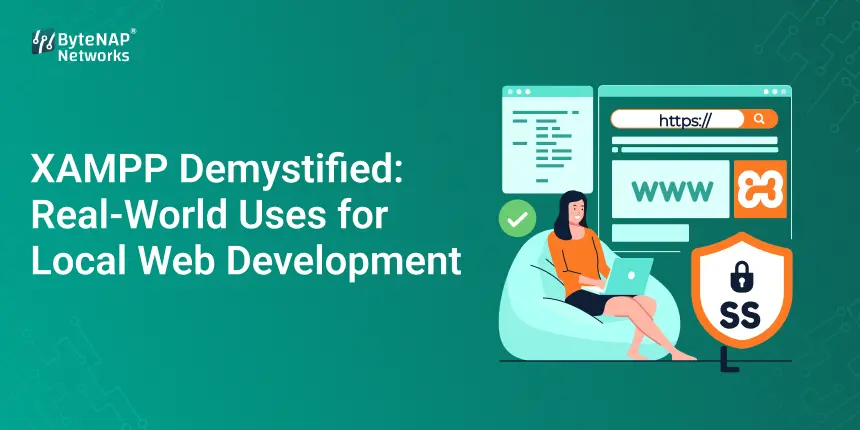
  • XAMPP Demystified: Real-World Uses for Local Web Development

    XAMPP Demystified: Real-World Uses for Local Web Development

    You’ve undoubtedly wondered, “How can I test my website before launching it?” whether you’re learning web development or creating websites.

    It is dangerous to upload incomplete code to a live server. Inadequate design, security flaws, or bugs can damage your brand before you even start. XAMPP can help with that, even if many novices would find it puzzling at first.

    In order to enable developers to build, test, and improve websites locally before they launch, this blog will demystify XAMPP.

    An Overview of XAMPP

    XAMPP is a free and open-source program that lets you use your computer as a local web server.

    It has all the components required to create and test websites locally:

    • Cross-platform X for Linux, macOS, and Windows
    • A -> web server Apache
    • M -> MariaDB/MySQL (database)
    • P → PHP
    • P → Perl

    You can use XAMPP to create and test websites offline on your own computer without having to pay for hosting or internet usage.

    An Important Analogy

    Consider XAMPP as a safe testing ground where you can make mistakes before your website goes live.

    Why Is XAMPP Helpful?

    Local web development is the most popular response to the question, “what is XAMPP used for?” however there are a lot of other beneficial applications as well.

    Typical Applications for XAMPP

    • Constructing local webpages
    • Testing MySQL and PHP programs
    • Constructing offline WordPress websites
    • Studying back-end programming
    • Safe code debugging
    • Developing client demonstration projects

    XAMPP for web development is a practical everyday tool for developers of all ability levels.

    XAMPP’s Advantages for Web Development

    1. An Internet connection is not required.

    You can work offline from anywhere at any time.

    2. Open Source and Free

    No subscription or licence fees.

    3. Simple Configuration

    In just a few minutes, install and launch Apache and MySQL.

    4. Secure Testing Setting

    Try it out without impacting actual users.

    5. Easy for Novices

    Ideal for learning PHP, databases, and CMS platforms.

    How XAMPP Operates 

    When XAMPP is launched:

    • Your local web server is called Apache.
    • Your database is stored in MySQL.
    • PHP handles the logic of your website.
    • The outcome is seen in your browser.

    XAMPP You don’t require hosting because everything takes place on your computer.

    A Comprehensive Guide to Local Web Development with XAMPP

    Step 1: Install XAMPP first.

    Step 2: Install XAMPP after downloading it for your OS system.

    Step 3: Launch MySQL and Apache

    • To launch services, use the XAMPP control panel.
    • In the third step, create a project folder.
    • Put the files for your website in the htdocs folder.

    Step 4: Go to Your Neighbor’s Website

    • Enter http://localhost/yourproject in the browser window.

    Step 5: Establish a Database

    • For simple MySQL database administration, use phpMyAdmin.

    Applications of XAMPP in the Real World 

    1. WordPress Development

    Before moving them to live hosting, many developers use XAMPP to create whole WordPress websites locally.

    2. Educational Assignments for Students

    Without the need for expensive servers, students can practise PHP, MySQL, and backend development with XAMPP.

    3. Demos for Agency Clients

    Before the final deployment, agencies produce local demonstrations for clients.

    4. Analysing and correcting mistakes

    In a secure setting, fix mistakes without worrying about downtime.

    The advantages of XAMPP include:

    1. Quicker Development

    Online hosting is slower than local servers.

    2. There are no expenses involved with hosting

    Create and test for free.

    3. Improved Code Quality

    Before you go online, take a comprehensive test.

    4. Overall Power

    As necessary, adjust the server’s configuration.

    5. Perfect for Instruction

    • the ideal starting point for backend development.
    • XAMPP is not for public webpages; it is for development.

    Typical Errors Made by Novices in XAMPP

    • Not launching MySQL or Apache
    • File transfers outside of htdocs
    • Using XAMPP for hosting in production
    • disregarding the security configurations
    • Not making database backups

    Time and anxiety can be saved by avoiding these errors.

    When Is It Time to Switch from XAMPP to Hosting?

    When is the best moment to switch to live hosting for your website?

    • The process of development is finished.
    • You’re prepared for actual guests.
    • Indexing is essential for SEO.
    • The client has granted permission.

    After XAMPP is set up, hosting is used to start your website.

    FAQs (Questions & Answers)

    What is meant by XAMPP?

    XAMPP is used for offline website development, PHP application testing, and local web development.

    Is XAMPP suitable for novices?

    Indeed. One of the greatest tools for novices learning web development is this one.

    Is XAMPP compatible with WordPress?

    Of course. XAMPP is frequently used for local WordPress development.

    Is using XAMPP safe?

    In terms of local development, the response is in the affirmative. Using it as a public production server is not advised.

    Does using XAMPP require knowing how to code?

    Novices can learn as they go, although basic knowledge is helpful.

    The Importance of XAMPP in Contemporary Web Development

    XAMPP is still necessary even with VPS servers and cloud hosting because

    • Local testing must be done by developers.
    • Rapid growth is essential.
    • Offline labour is occasionally required.
    • Results are improved by safe experimenting.

    A crucial component of contemporary development procedures is XAMPP.

    Concluding remarks

    The answer to the issue of what XAMPP is used for is straightforward:

    It facilitates safer, quicker, and easier site construction.

    XAMPP continues to be a reliable and useful tool for web development, regardless of 

    experience level, from novices learning PHP to experts creating complex applications.

    CTA (Call to Action) 

    Are you prepared to begin creating local websites?

    Get XAMPP now to confidently start your own local web project.

    Are you looking for more comprehensible web development tutorials?

    To learn more wisely, sign up for our blog.

  • Server for Windows: Best Hosting Options

    Server for Windows: Best Hosting Options

    The Best Hosting Services for Windows Server

    If you use Microsoft technologies like ASP.NET, MSSQL, or others to build a website or app, you may have thought about what the best server is for hosting Windows.

    If you choose the wrong hosting environment, your site may load slowly, not operate with other sites, or be less secure. But the right Windows server could give your business speed, dependability, and the opportunity to grow.

    In this in-depth essay, we’ll cover everything you need to know about Windows server solutions. We will help you make a sensible choice by looking at the finest server for Windows hosting and comparing different Windows server hosting plans.

    Let’s divide it up into smaller pieces.

    What is a server for Windows?

    First, let’s talk about what a Windows server is before we talk about the best server for Windows hosting.

    A Windows server is usually a hosting environment that runs on Microsoft’s Windows Server operating system. For instance:

    • Windows Server 2022
    • Windows Server 2019
    • These servers work best for running .NET Core and ASP.NET apps.
    • MSSQL Databases
    • Exchange from Microsoft
    • SharePoint

    Windows servers are distinct from Linux servers because they have a graphical interface and function with Microsoft-specific frameworks. This makes them the greatest choice for businesses that use Microsoft technology stacks.

    Why Picking the Right Server for Windows Hosting Is Important

    Not every hosting company offers the same quality of service. The server you choose for Windows hosting has a direct effect on:

    • How fast the website loads
    • Safety
    • Works with
    • The ability to get bigger
    • Business dependability

    If you construct your app with ASP.NET, choosing the wrong hosting environment can cause problems, downtime, or bad performance. That’s why it’s so vital to carefully consider all of your Windows server hosting choices.

    There are many different types of Windows Server Hosting Plans.

    When you search for the best Windows server, you’ll come across a variety of hosting options. Let’s break them down.

    1. Hosting for Everyone using Windows

    • Best for: Small websites
    • Beginner projects
    • Pros: It’s not expensive
    • Easy to deal with
    • Not enough resources is a con.
    • Space that is shared

    Cheap shared Windows server hosting plans might not be able to grow, nevertheless.

    2. Hosting for Windows VPS

    • Best for: companies that are getting bigger
    • Websites that get a fair amount of traffic
    • Pros: Resources that are exclusive for you
    • More strength
    • Better outcomes

    VPS is often thought to be the best server for operating Windows for small to medium-sized organisations.

    3. Windows Server Just for You

    • Best for: large companies
    • Websites that get a lot of traffic
    • Apps that work with SaaS
    • Pros: You are in charge of everything
    • The best performance
    • Very safe

    A dedicated server for Windows is the most dependable choice, but it costs more.

    4. Putting Windows in the Cloud

    • Best for: Projects that can get bigger
    • Apps that grow fast

    Cloud-based Windows server hosting services let you change the size of your server as needed and have improved uptime.

    Some well-known providers are: Amazon Web Services, Microsoft Azure, and Google Cloud.

    Here are some reliable hosting companies that have outstanding Windows server hosting plans:

    1. HostGator

    • Windows hosting that is cheap and shared
    • Plesk control panel
    • Simple to set up for first-timers

    This is a great choice if you’re new to Windows servers and just need a simple one.

    2. Water Web

    • VPS and dedicated servers that operate nicely
    • Managed Windows hosting
    • Help for businesses

    A lot of people say this is one of the best servers for Windows hosting companies.

    3. IONOS Budget VPS plans

    • Flexible scaling
    • Good uptime

    Their Windows server hosting services are great for new enterprises and developers.

    How to Choose the Best Server for Windows Hosting

    This is a helpful, step-by-step guide to choosing the finest Windows server:

    Step 1: Find out what kind of technological stack you have.

    Are you using:

    • ASP.NET?
    • MSSQL? .NET Core?

    If so, you need a server that works with Windows.

    Step 2: Make a guess about the traffic

    If you want your website to:

    • Less than 10,000 people come each month => Windows hosting that is shared
    • 10,000 to 100,000 visitors → VPS
    • More than 100,000 visitors: Dedicated or Cloud

    Traffic is a key part of choosing the best Windows hosting server.

    Step 3: Check out the hardware specs

    • Storage on an SSD or NVMe
    • You need at least 8 to 16 GB of RAM for a VPS.
    • More than one core in a processor

    All good Windows server hosting plans let you choose hardware that can grow with your demands.

    Step 4: Safety features

    A secure Windows server should have:

    • Installing a firewall
    • Support for SSL
    • Regular updates
    • Options for backup

    Security is particularly important for eCommerce and SaaS businesses.

    Step 5: Managed or not managed

    • If you choose managed hosting, the provider will handle security and updates for you.
    • You are in charge of everything when you use unmanaged hosting.
    • If you don’t know much about technology, go with managed Windows server hosting.

    An example from real life

    You own a medium-sized accounting firm, and you utilise a custom ASP.NET app for your business.

    You started out with shared hosting. As the number of client records grew:

    • The site grew slower
    • Database queries took a long time
    • People were more anxious about their safety.
    • You saw the following things after upgrading to a Windows VPS server:
    • Faster data processing
    • More safety
    • More time on the internet

    This indicates that choosing the best server for Windows hosting is more than just a technical choice; it’s also a commercial one.

    There are a lot of good things about using a server for Windows.

    Choosing the right server for Windows has a lot of advantages:

    1. Simple to connect to Microsoft

    Works well with Microsoft programs.

    2. Simple to Use Interface

    Management tools that use graphics make things easier to run.

    3. Business security

    Windows Server has more security features.

    4. Reliable performance. Best for ASP.NET projects.

    5. The ability to grow

    You can increase your Windows server hosting subscription if your business grows.

    Things to Avoid

    • Don’t only look at the prices when you pick a Windows server.
    • Not thinking about how to grow
    • Not picking backup choices
    • Not checking how good the support is

    The finest Windows server hosting services should be able to balance performance, security, and price.

    What will Windows Server Hosting be like in 2026?

    These days, Windows server hosting comes with:

    • AI for Monitoring
    • Updates for security that happen automatically
    • Cloud-based integration that works
    • Hosting environments that are mixed

    Over time, the best server for Windows hosting has changed a lot, with a lot of focus on making things easier and bigger.

    Commonly asked questions (FAQ)

    1. What is the best server to use for Windows in 2026?

    What you need will determine what the best server for hosting Windows is. Businesses that are growing like VPS and cloud-based Windows server hosting options.

    2. Is it more expensive to acquire a Linux server than a Windows server?

    Yes, a little bit. Licensing fees make Windows servers more expensive, but the benefits of utilising Microsoft-based software make the extra money worth it.

    3. Can you switch from Linux hosting to Windows hosting?

    Yes, but you need to make plans for the move ahead of time. If your program utilises Microsoft technology, it makes sense to switch to a Windows server.

    4. Do small businesses need to plan for hosting Windows servers?

    If your company uses ASP.NET or MSSQL, then yes, Windows server hosting plans are important.

    5. Is it better to host Windows in the cloud than on a VPS?

    When it comes to growth, cloud hosting is more flexible. For projects that are growing quickly, cloud-based servers for Windows are usually the ideal way to host Windows servers.

    Final Thoughts

    When you want to get the best server for Windows, it’s not enough to just choose a hosting business. It’s important to make sure your business runs smoothly, is secure, and works with other businesses.

    The best Windows hosting server for you is one that meets your budget, the amount of traffic you get, and the technologies you use. With the right Windows server hosting services, you can develop your business without worrying about downtime that costs you money.

    Are you ready to upgrade your hosting?

    If you wish to run an ASP.NET software or improve your infrastructure, now is the time to look for reliable Windows server hosting services.

    Check out the features, test the speed, and choose the best Windows hosting server that will help you grow in 2026 and beyond.

    Want more tips and guidance from experts on hosting? Sign up to get the latest news and make better decisions about your infrastructure.

  • Examples of Internet Servers and Their Uses

    Examples of Internet Servers and Their Uses

    Think about how easy it is to get a file, send an email, go to a website, or view a video. While you do these simple things online, complex machines called internet servers run in the background. These servers store data, process requests, and deliver information over the internet in a matter of seconds.

    But many new users still don’t know what real internet servers are. What kinds are there, and what do they do?

    People who own websites, build websites, work in IT, or are learning about networking in school all need to know about internet servers. This site will discuss the different kinds of internet servers, what they do, how they work, and which ones are the most popular right now. You will know exactly how these servers keep the internet running once you read this essay.

    What does a server perform on the internet?

    We need to know what a server is before we look at any internet servers.

    A server is a computer or system that lets other computers, called clients, get data, services, or resources over a network. These servers swiftly handle requests and provide back answers. This lets users perform a number of things, such as go to websites, send emails, and download files.

    In short:

    The client asks the server for something, and the server processes the request and gives back an answer.

    Many of the servers that people use every day on the internet work together to give us the online experiences we enjoy.

    Why You Should Know About Internet Servers?

    There are several reasons why it’s helpful to know about the different types of internet servers and what they do:

    • Helps programmers build better web apps
    • Gives businesses the ability to choose the optimal hosting setup
    • This makes it easy to fix things and keep servers running.
    • It tells you how the internet works.

    For online services to work, they all need examples of internet servers. This covers things like Facebook and Twitter, as well as systems for banking.

    A short explanation of how servers work on the internet

    To understand how internet servers work, you need to look at how they interact with users.

    Step by Step Instructions

    • Someone makes a website or app.
    • A server gets a request from a browser.
    • The server takes care of the request.
    • The server either runs a program or gets information.
    • The server sends the answer back to the user.

    This simply takes a few milliseconds because there are so many servers on the internet.

    Some of the most essential kinds of internet servers include

    There are several kinds of internet servers, and each one has a certain function to do. Let’s take a look at the ones that people use the most.

    1. Web Server

    A web server is one of the most common types of servers on the internet. It stores web pages and transmits them to users.

    When you go to a website, the web server delivers the HTML, CSS, and JavaScript files that are needed to display the page.

    Here are some well-known web server programs:

    • Apache HTTP Server
    • Nginx
    • Microsoft’s IIS
    • What you can do with web servers
    • Websites that work
    • Sending pages via the internet
    • Web-based apps

    A web server is one of the most important types of internet servers that keeps the web going.

    2. Server for email

    The email server is another significant form of internet server that can handle a number of things.

    An email server stores, sends, and receives emails.

    Here are some rules that are often followed:

    • SMTP is short for Simple Mail Transfer Protocol.
    • “Post Office Protocol” is what POP3 stands for, while “Internet Message Access Protocol” is what IMAP stands for.
    • What Email Servers Are Good For
    • Sending messages
    • Keeping emails safe
    • Taking care of the emails in your inbox

    Many of the servers that individuals use on the internet today have built-in email servers that let businesses talk to each other.

    3. File server

    A file server keeps track of and saves files that many people on a network can use.

    This is an excellent example of how corporations and groups use servers on the internet.

    • What file servers do
    • Sharing files
    • Make a copy of your data
    • Putting things in one spot

    A lot of companies use file servers, which are a type of internet server, to make their job go more easily.

    4. A server for databases

    A database server manages databases and responds to app questions.

    For instance:

    • MySQL
    • PostgreSQL
    • The database from Oracle
    • What Database Servers Are Used For
    • Saving information from web pages
    • Managing user accounts

    Answering queries about applications

    Database servers are very significant servers that are used a lot on the internet, especially for websites that need to be updated all the time.

    5. Server for DNS

    A DNS server turns domain names into IP addresses.

    For instance, when you enter in a website address, the DNS server looks for the IP address of the server that hosts the page.

    • What DNS servers do
    • How to look up the domain name
    • How to get around on the web
    • How to reach websites

    DNS servers are incredibly crucial servers on the internet that help you find things.

    6. Server Proxy

    A proxy server is a computer that enables people to use the internet.

    It helps keep an eye on traffic, make the network safer, and choose who can use it.

    What proxy servers can do

    • Hiding IP addresses
    • Filtering content
    • Making the network safer

    There are also proxy servers on the internet that can accomplish a lot of things.

    7. Application Server

    An application server can run programs and give people services.

    Here are several examples:

    • Apache’s Tomcat
    • JBoss
    • What people do with application servers
    • Using software at work
    • Business software that helps
    • Meeting user requests

    Companies utilise these strong servers on the internet all the time.

    This is how servers on the Internet really work together.

    Think about a site where you can buy things online.

    Here are some examples of internet servers that work together to give the service:

    • The DNS server looks up the website’s address.
    • The web server sends the page.
    • The application server takes care of orders.
    • The database server keeps track of information about customers.
    • The email server sends an email to let you know that the order has been received.

    This system that works together shows how useful and crucial the numerous types of internet servers are.

    The good qualities of Internet servers

    We can see how crucial internet servers are in the technology we use today by looking at examples.

    1. Good management of data

    Servers keep a lot of information safe and arranged.

    2. Faster communication

    Many well-known servers on the internet make sure that consumers have a good time and that answers come swiftly.

    3. The chance to get bigger

    As servers get bigger, they can manage more traffic and user requests.

    4. More secure

    Server infrastructure protects private data and keeps anyone from accessing it without authorisation.

    5. Services on the internet that you may trust

    There are many various types of internet servers, and they are always on because of how people utilise them.

    How Businesses Choose the Right Server

    Most businesses use these steps to choose the finest internet server.

    Step 1: Find out what your firm requires

    Check to check if you need:

    • Putting a website online
    • Sending emails to each other
    • Keeping data safe
    • Taking care of applications

    Step 2: Pick the kind of server

    Choose the right server from the many types of internet servers and their features.

    Step 3: Choose the Hosting Infrastructure

    You have the following choices:

    • Servers that are made just for you
    • Cloud-based servers
    • Virtual private servers

    Step 4: Set up safety measures

    To protect your data, use firewalls, encryption, and monitoring tools.

    Step 5: Check on the server’s performance regularly.

    Regular checks help keep common internet servers running well.

    What Will Happen to the Servers on the Internet in the Future

    When new technologies come out, servers have to do different things.

    Here are some crucial trends to look out for:

    • Infrastructure in the cloud
    • Computing on the edge
    • Running servers with AI
    • Design that doesn’t need servers

    These innovative concepts are redefining how the next generation of internet servers will be built.

    Frequently Asked Questions (FAQ)

    1. What kinds of servers are there on the internet?

    There are several sorts of internet servers, such as web servers, email servers, database servers, DNS servers, proxy servers, and application servers.

    2. What types of internet servers are there and what do they do?

    Web servers store websites, email servers let people talk to each other, database servers keep data safe, and DNS servers help people identify domain names.

    3. What are the most common web servers that users use?

    Some of the most common types of servers on the internet are web servers, email servers, file servers, and database servers.

    4. What do web servers perform?

    When individuals ask servers on the internet for information, the servers process the requests and deliver the material back over the network.

    5. What do servers perform for the internet?

    Websites, internet apps, email systems, and cloud services may all work because of servers.

    To sum up

    The internet works because of servers. To keep the digital world running smoothly, internet servers are vitally important. They do things like send web pages and handle payments across the internet.

    Learning about the many types of internet servers and what they do could help you understand how current technology works better. Most people utilise servers to make everything from small websites to big cloud systems work.

    No matter how technology changes, servers will always be crucial for coming up with new ideas, connecting people, and communicating online.

    Want to learn more about hosting and servers?

    If you want to know more about servers, cloud computing, and web hosting, keep reading our articles and tutorials.

    Learn how the examples of internet servers benefit businesses today and how to choose the right infrastructure for your projects.

  • Web and App Server: Key Differences Explained

    Web and App Server: Key Differences Explained

    Web and App Server: 

    Have you ever wondered if you need both a web server and an application server when you set up a website or deployed an app?

    When you looked up the difference between a web server and an application server, you undoubtedly discovered technical explanations full of jargon. It can be hard to figure out how everything comes together, especially whether you’re a developer, company founder, or IT student.

    Don’t worry. We’ll explain the idea of a web and app server in a straightforward, useful, and real-world way in this whole guide. By the conclusion, you’ll know exactly what the web server and app server architecture is, when to utilise each, and how they function together in current applications.

    Let’s keep it simple.

    What is a server for apps and the web?

    We need to start with something simple before we can talk about the differences between a web server and an application server.

    What is a server on the web?

    A web server is software (and occasionally hardware) that gets HTTP requests from browsers and sends back static content like HTML files.

    • CSS
    • JavaScript
    • Pictures
    • Movies

    Some well-known web servers are Apache HTTP Server and

    • Nginx
    • Microsoft’s IIS

    To put it simply:

    A web server is like a waiter who accepts your order (request) and brings you food that is already produced (static files).

    What is an application server?

    An application server takes care of dynamic content and business logic. It handles user requests, talks to databases, and makes responses that are specific to each user.

    Some examples are:

    • Apache Tomcat
    • JBoss
    • Server for WebLogic

    The application server is like the chef who makes your dinner, and the web server is like the waitress.

    Web and App Server: Why It’s Important to Know the Difference

    If you want to know the difference between a web server and an application server, you need to know the following:

    • Make web apps
    • Control hosting environments
    • Make architectures that can grow
    • Get ready for technical interviews
    • Create SaaS platforms

    When you know the difference between web server and app server architecture, you can make smarter choices about your infrastructure, speed things up, and save money.

    Main Differences Between an Application Server and a Web Server

    Let’s make it obvious what the difference is between a web server and an application server.

    1. Main Job

    • Web Server Serves static content
    • Handles requests for HTTP and HTTPS
    • Made to send files quickly
    • Server for Applications
    • Runs business logic
    • Makes content that changes
    • Links up with databases

    This is the main difference between web and app servers.

    2. Type of Content

    In the architecture of web servers and app servers, a web server serves static content.

    • Application server ← Content that changes
    • For instance, an image on a company’s homepage? A web server.
    • Check user login? Server for applications.

    3. Use of Resources

    Web servers don’t take up much space.

    Application servers use a lot of resources.

    When planning infrastructure, that’s a key difference between a web server and an application server.

    4. The ability to grow

    In current web server and app server architecture, they are generally kept apart so that they can grow on their own.

    For instance:

    • High traffic for photos → Scale web servers.
    • Heavy database queries → Scale application servers.

    5. Features for Middleware and Businesses

    Application servers offer:

    • Safety measures
    • Services for messaging
    • Integrations with APIs

    Most of the time, web servers don’t.

    This makes the gap between web servers and application servers in business systems even bigger.

    Explaining the differences between web server and app server architecture

    A graphic example makes it easy to understand the differences between web server and app server architecture.

    Basic structure

    User → Web Server → Application Server → Database → Response → User

    This is how the web and app servers talk to each other:

    • Request sent by user.
    • The web server gets it.
    • If static, the web server responds directly.
    • If dynamic, it goes to the application server.
    • The application server handles logic.
    • Data taken from the database.
    • Response delivered back via web server.

    This layered web server vs. app server architecture makes things run faster and safer.

    Example from the real world: An e-commerce site

    Let’s say you own an online shop.

    Scenario 1: Looking at a picture of a product

    • The web server takes care of the request.
    • The picture loads right away.

    Scenario 2: Putting an item in the cart

    The request travels to the server for the application.

    • It checks the stock.
    • Updates the database.
    • Confirmation of returns.

    This makes it very clear how a web server and an application server are different.

    When Do You Need Both?

    You utilise both in most current programs.

    A solid setup for web and app servers makes sure:

    • Faster delivery of content
    • Safe execution of logic
    • More room to grow

    Separation is a common strategy in enterprise-grade web server vs. app server design.

    How to Choose the Right Setup in Steps

    If you’re planning infrastructure, do this:

    Step 1: Figure Out What Kind of Content You Have Ask: Is your site mostly static? ↑ A web server might be enough.

    Need an application server for a dynamic app?

    This makes it easier to tell the difference between a web server and an application server in your scenario.

    Step 2: Guess how much traffic there will be

    A lot of picture and video traffic means you need to scale your web servers.

    Heavy user interactions mean you should buy app servers.

    This is the most important part of how to set up a web server and an app server.

    Step 3: Think about the framework

    Some frameworks mix both roles:

    • Node.js
    • Django

    Even then, though, production systems often keep the web and app server levels apart.

    Step 4: Make plans for safety

    Web servers do a lot of things:

    • Take care of SSL termination
    • Filter out bad traffic
    • Application servers: Check that business rules are correct
    • Verify users

    It is very important to know the difference between a web server and an application server while designing security.

    Advantages of Having Separate Web and App Servers

    Here’s why structured web server vs app server design is used in modern systems:

    1. Better Performance

    Web servers are good at handling static demand.

    2. More safety

    App servers are still not connected to the internet directly.

    3. Scaling on its own

    You can change the size of each layer on its own.

    4. Less work to keep up

    Changes to business logic don’t change how static information is handled.

    This planned separation makes the web and app server model stronger.

    Case Study: Growing a SaaS Startup

    A single server was used to launch a SaaS company.

    As more people used it, the amount of static traffic surged.

    • Queries to the database took longer.
    • They changed the structure of their web server and app server so that Nginx is the web server.
    • Tomcat is an application server.
    • A database server just for you.
    • Result: The response time is 40% faster.
    • Less downtime.
    • Better ability to grow.

    It was easier to scale when I knew the difference between a web server and an application server.

    Things People Get Wrong

    Myth 1: They Are the Same

    That’s not true. The distinction between a web server and an application server is what they do and what they are responsible for.

    Myth 2: You don’t need to separate small apps.

    As they get bigger, even tiny apps benefit from a structured web server vs. app server design.

    Myth 3: One Is Better Than the Other

    They have diverse roles in the ecosystem of web and app servers.

    Current Trends in Web and App Server Architecture (2026)

    We see this in 2026:

    • Deployments in containers (Docker, Kubernetes)
    • Architecture of microservices
    • Functions without servers
    • Settings for reverse proxies

    The difference between a web server and an application server still makes sense, even in cloud-native contexts.

    Questions that are often asked (FAQ)

    1. What is the most important distinction between an application server and a web server?

    The main distinction between a web server and an application server is that a web server sends static material, while an application server processes business logic and makes answers that change.

    2. Can an application server work as a web server?

    Some technologies can do both jobs, but in a professional web server vs. app server architecture, they are normally kept distinct to improve performance and scalability.

    3. Do both of these things need to be on small websites?

    Not all the time. But when things get more complicated, it’s helpful to have a good web and app server setup.

    4. Is a web server or an application server faster?

    Static material loads faster on web servers. Logic processing makes application servers slower. This makes it very apparent what the difference is between a web server and an application server.

    5. Is the difference between a web server and an app server still important in cloud computing?

    Yes. Even in the cloud, it’s important to know the difference between web servers and app servers in order to build systems that can grow.

    Last Thoughts

    For developers, IT workers, and business owners, knowing what a web and app server is is very important.

    The distinction between a web server and an application server isn’t just a matter of technical theory; it also affects performance, security, and scalability.

    When you create systems with the right web server vs app server architecture, your apps will be faster, safer, and ready to grow.

  • Web Client and Web Server: How They Work

    Web Client and Web Server: How They Work

    Have you ever typed in a website address and wondered what really goes on behind the scenes? In only a few seconds, a fully designed page will show up on your screen. But how does that magic work?

    The answer is in how the web client and web server talk to each other.

    This tutorial will make everything easier for you if you’re new to web development, a student learning about networking, or a business owner trying to figure out how your website works. We will make it clear:

    • What a web client and a web server do
    • What makes a web client different from a web server
    • How a web client and a web server operate together
    • Examples and situations from the real world
    • Important benefits and useful information

    By the end of this essay, you will know everything that happens to a website request, from your screen to the server and back.

    Let’s go through it step by step.

    What is a client on the web?

    Any device or program that sends a request to access web content is a web client. This is usually your web browser.

    Some common web clients are:

    • Google Chrome
    • Mozilla Firefox
    • Microsoft Edge
    • Safari

    Your browser is the web client when you type in a URL. It sends a request to a web server for data.

    Before we talk about the distinction between a web client and a web server, we need to know what a web client does.

    What is a server on the web?

    A web server is a piece of software and hardware that gets requests from web clients and sends back the web pages or data that were asked for.

    Some well-known web server software is:

    • Apache Web Server
    • Nginx
    • IIS from Microsoft
    • The web server keeps files for websites, like
    • HTML
    • CSS and JavaScript
    • Pictures
    • Databases

    Now that we know what both parts are, let’s look at the difference between a web client and a web server in more detail.

    What is the difference between a web client and a web server?

    A lot of people mix these two words up. Here’s a simpler way to compare:

    • Web Client Web Server
    • Sends a requestGets a request
    • Shows content Hosts content
    • Works on the user’s device and the hosting machine

    For example, Chrome and Apache are both web browsers.

    The major distinction between a web client and a web server is what they do to help people talk to each other.

    • The web client wants to know.
    • The server on the web responds.

    Knowing the difference between a web client and a web server will help you understand how websites work.

    How to Use a Web Client and a Web Server Together (Step by Step)

    Now let’s go over how the web client and web server work together step by step.

    Step 1: The user types in a URL

    • You write: www.example.com
    • Your web client (browser) gets ready to send a request.

    Step 2: Look up the DNS

    • The Domain Name System (DNS) is what the web client uses to find the IP address of the web server.
    • This phase is very important for understanding how a web client and a web server work together.

    Step 3: Making an HTTP Request

    The web client sends a request to the web server using HTTP or HTTPS.

    For example:

    • GET /index.html HTTP/1.1
    • This request is the basis for how a web client and a web server operate together.

    Step 4: Processing on the Server

    The server on the web:

    • Gets a request
    • It processes it
    • Gets files or information from a database

    It talks to backend apps before answering if it has to.

    Step 5: The HTTP response

    The web server sends a message back to the web client.

    The answer has:

    • Files in HTML
    • CSS
    • Pictures
    • Scripts

    This is where you can see how the web client and web server interact together in real time.

    Step 6: Making the Page

    • The browser reads the files and displays the webpage.
    • And just like that, the webpage shows up on your screen.

    That’s how a web client and a web server operate together all the time.

    Example from the real world: a website for shopping online

    Picture this: you go to an online store.

    This is how the web client and web server talk to each other:

    • You open the website (request from the web client).
    • The web server sends data about the homepage.
    • You look for a product.
    • The web client sends a search query.
    • The database gives the web server product information.
    • The results are shown.

    This real-world example shows the distinction between a web client and a web server much better.

    Why It’s Important to Know the Difference Between a Web Client and a Web Server

    You might be wondering why this information is important.

    Here’s why:

    1. Better help with website problems

    When anything goes wrong, knowing the difference between a web client and a web server can help you figure out:

    • Is there a problem with the browser?
    • Is the server not working?

    2. Better skills for building websites

    To make apps that can grow, developers need to know how web clients and web servers interact together.

    3. More awareness of security

    Cybersecurity threats aim at:

    • Web clients (weaknesses in browsers)
    • Web servers (wrongly set up servers)

    Knowing how the web client and web server work together helps you come up with better ways to secure yourself.

    4. Improving performance

    The speed of a website depends on how quickly the web client can render and how quickly the web server can respond.

    Both of these things make the user experience better.

    Important Protocols That Make Communication Possible

    You need to know these protocols to completely grasp how a web client and a web server work together:

    • TCP/IP
    • HTTPS makes ensuring that communication between a web client and a web server is encrypted.

    Common Problems Between Web Client and Web Server

    Here are some common problems:

    • 404 Error: The file could not be found.
    • Error 500 on the server
    • Errors that happen when a timeout occurs
    • Problems with SSL certificates

    Knowing the difference between a web client and a web server will help you figure out what’s wrong with them.

    Web Client vs. Web Server in Today’s Architecture

    Today’s buildings have:

    • Load balancers
    • Services for CDN
    • Hosting in the cloud

    Platforms in the cloud, like:

    • Amazon’s Web Services
    • Azure from Microsoft

    Platform for Google Cloud

    have changed the way web clients and web servers work together around the world.

    Advanced Insight: Web Clients and APIs

    APIs are often used in modern online apps.

    For example:

    • A mobile app works like a web client.
    • Server sends JSON data

    This displays another method that a web client and a web server can operate together besides on regular webpages.

    Questions that people often ask (FAQ)

    1. What is the most important distinction between a web client and a web server?

    The web client sends requests, and the web server gets the requests and gives back data.

    2. In basic terms, how do the web client and web server function together?

    The web client asks for information, and the web server gives it to them.

    3. Is it possible for a device to be both a web client and a web server?

    Yes. A system can both serve content and ask for content from another server.

    4. Is a browser a web client?

    Yes, Chrome and Firefox are web clients.

    5. Why is it vital for developers to know the difference between a web client and a web server?

    It helps make web apps that are fast, safe, and can grow.

    Last Thoughts

    The connection between a web client and a web server is what makes the internet work.

    Knowing the difference between a web client and a web server gives you the tools you need to fix problems, make things run faster, and make better digital solutions.

    From the time you enter in a URL to the time a webpage loads, you now fully understand how a web client and a web server work together.

    Are you ready to go deeper?

    Keep learning if you want to work in web development, cloud hosting, or server management.

    Learn more about networking, try out different hosting setups, and build up your technical skills.

    Want more professional guides that are also easy to understand? Follow or subscribe to get frequent updates on web infrastructure and technology.